The Federal Government has launched the National Strategy and Costed Action Plan on Ending Child Marriage in Nigeria, covering 2025 to 2030, for the North-West and North-East geopolitical zones.
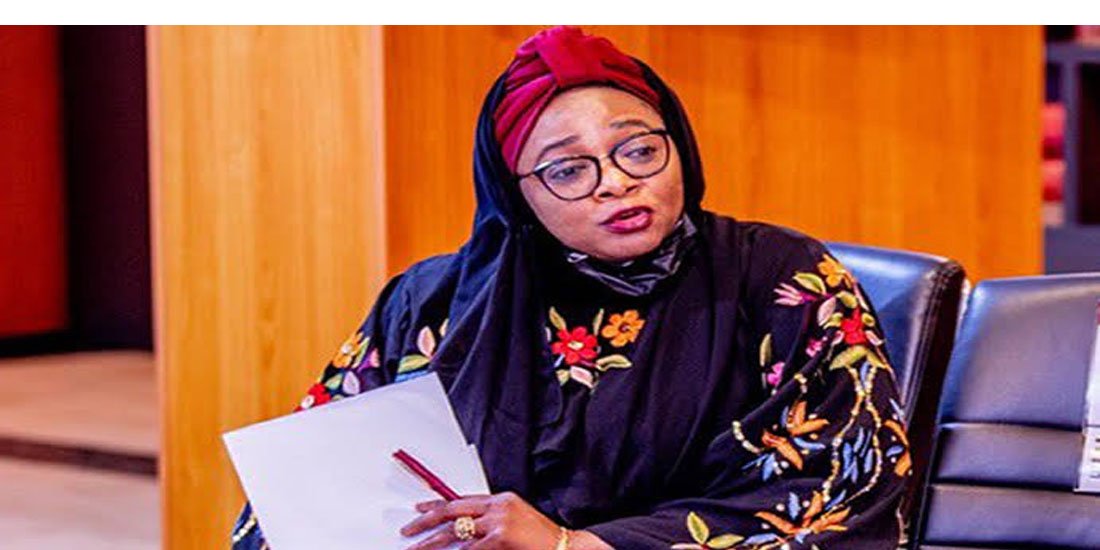
Minister of Women Affairs and Social Development Imaan Ibrahim unveiled the programme in Kano during activities marking the 2026 International Day of the Girl Child. She said success must be measured by tangible outcomes rather than the number of policy announcements made.
The minister identified girls remaining in or returning to school, communities adopting protective practices and the actual release of implementation funds as key measures of progress.
Ibrahim said poverty, school exclusion, insecurity, gender discrimination and harmful social practices were among the pressures contributing to child marriage. She warned that early marriage could interrupt education, increase the risk of early pregnancy and violence, and reinforce poverty across generations.
The costed action plan is intended to clarify responsibilities, identify financial and human resources, and provide a basis for tracking spending and results. The minister also linked the strategy to implementation of the Child Rights Act, 2003.
Speaking at the launch, UNICEF Kano Field Office Chief Shafeeq Ur-Rehman cited the 2024 Nigeria Demographic and Health Survey as showing that roughly one in three young women nationally, and nearly one in two in the North-West and North-East, married before age 18.
He cited prevalence figures of 74 per cent in Bauchi, 72 per cent in Jigawa, 69 per cent in Katsina and 39 per cent in Kano, compared with a national figure of 33.4 per cent.
The strategy’s implementation will require cooperation among education authorities, traditional and religious leaders, social services and local communities. Its stated standard of accountability is whether girls gain lasting protection and real opportunities to complete their education.