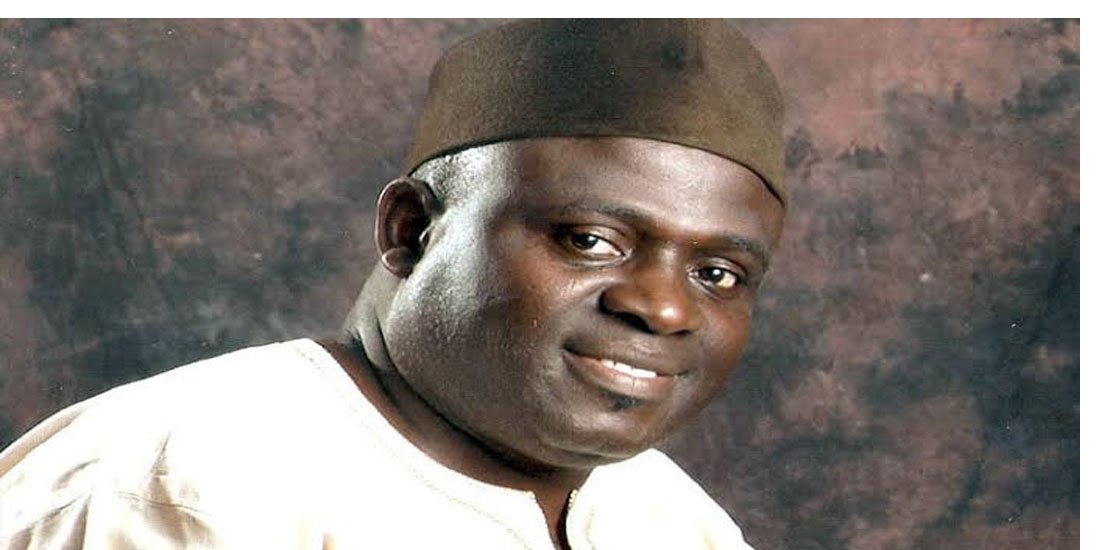
Former House of Representatives member Ehiozuwa Johnson Agbonayinma has asked the Economic and Financial Crimes Commission to reopen investigations and commence prosecution of former Vice President Atiku Abubakar over decades-old corruption allegations, threatening legal action if the agency fails to act within 14 days.
Agbonayinma, who represented Egor/Ikpoba-Okha Federal Constituency, based his demand on a 2006 EFCC report and a 2010 report by the United States Senate Permanent Subcommittee on Investigations.
In a letter dated August 27 and addressed to EFCC Chairman Ola Olukoyede, lawyers acting for the former legislator alleged that the earlier investigations raised serious questions involving corruption, money laundering and other financial offences.
Those claims remain allegations. The material supplied does not show that Atiku has been convicted by any court in relation to them.
The petition argued that the EFCC had previously indicated that action could be taken after Atiku left office and lost constitutional immunity, but that no prosecution followed.
Agbonayinma’s lawyers said the absence of prosecution had continued to attract criticism and asked the present EFCC leadership to reactivate the matter.
They also referred to a February 2010 US Senate investigative report that discussed transactions linked to Atiku and members of his family.
The petitioners said they would consider legal action against the commission if it did not respond within 14 days.
Atiku dismissed the fresh demand as a politically motivated attempt to recycle allegations dating back to his disagreements with the administration of former President Olusegun Obasanjo.
In a statement issued through his media aide Phrank Shaibu, the former Vice President said the issues had previously passed through the EFCC, an administrative panel, the National Assembly and the courts without producing a criminal conviction against him.
Atiku argued that a petition or investigative report should not be treated as proof of guilt and challenged anyone with credible evidence to test it before a court.
He also turned attention to President Bola Tinubu’s historical records in the United States, urging the President to support full disclosure of records sought through Freedom of Information Act litigation.
Atiku criticized Tinubu for relying on privacy arguments in litigation seeking access to FBI and DEA records.
His references to Tinubu’s past and the 1993 civil forfeiture matter remain part of an ongoing political dispute and should not be presented as proof of criminal conviction.
Atiku said scrutiny should apply equally to all political actors and argued that law-enforcement institutions should not be deployed selectively for partisan purposes.
The renewed exchange adds another layer to the personal and political confrontation between the two leading figures ahead of the 2027 presidential election.