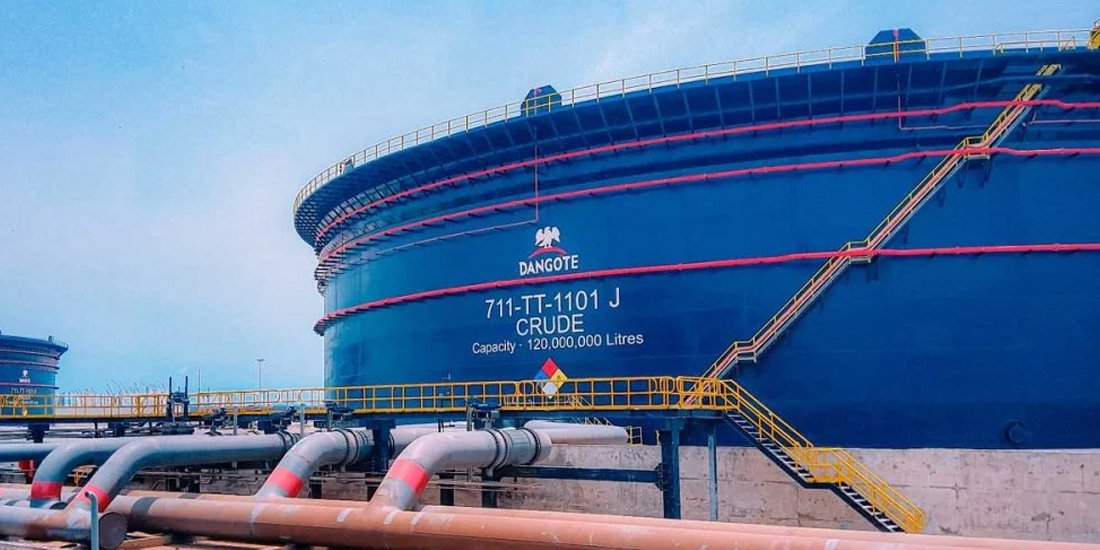
The Dangote Petroleum Refinery and Petrochemicals is considering restricting the sale of Premium Motor Spirit (PMS) to major oil marketers that continue to import petrol into Nigeria.
The proposed measure is reportedly being considered over concerns about product quality, market transparency and the possible association of blended products with the Dangote Refinery brand.
Sources familiar with the development said the restriction could take effect as early as this week, although consultations are ongoing and a last-minute intervention could alter the plan.
Concerns over blending of imported petrol
The immediate concern, according to sources, is an alleged practice by some marketers of blending imported PMS with petrol purchased from the Dangote refinery before distributing the products to consumers.
The refinery is reportedly concerned that such practices could make it difficult for consumers to distinguish between products supplied directly by Dangote and those subsequently blended or handled by third parties.
A source familiar with the refinery’s position said the company was concerned about investing heavily in the production of petroleum products only for them to be mixed with imported products whose quality may not be independently verified.
The refinery has also reportedly raised concerns about the availability of adequate laboratory and quality-control infrastructure to independently test and certify imported petroleum products entering the Nigerian market.
The development comes as Nigeria’s downstream oil sector continues to transition from heavy reliance on imported refined petroleum products towards increased domestic refining.
Dangote refinery expands market presence
With a refining capacity of 700,000 barrels per day, the Dangote Petroleum Refinery has become a major supplier of refined petroleum products to the Nigerian and international markets.
The refinery maintains that its petroleum products meet internationally recognised quality standards.
Recent data cited from the United States Energy Information Administration showed a significant increase in Nigeria’s seaborne petroleum product exports, with average shipments reportedly reaching 561,000 barrels per day in the second quarter of 2026, compared with an annual average of 79,000 barrels per day in 2023.
The refinery has also expanded its presence in international aviation fuel markets, supplying jet fuel to destinations in Europe and the United States.
Its growing presence in the international market has further strengthened its position as one of Nigeria’s most significant refining and petroleum-product suppliers.
However, the proposed restriction on petrol sales to marketers that continue to import PMS has not yet been implemented and remains subject to further consultations and possible changes before any final decision is announced.