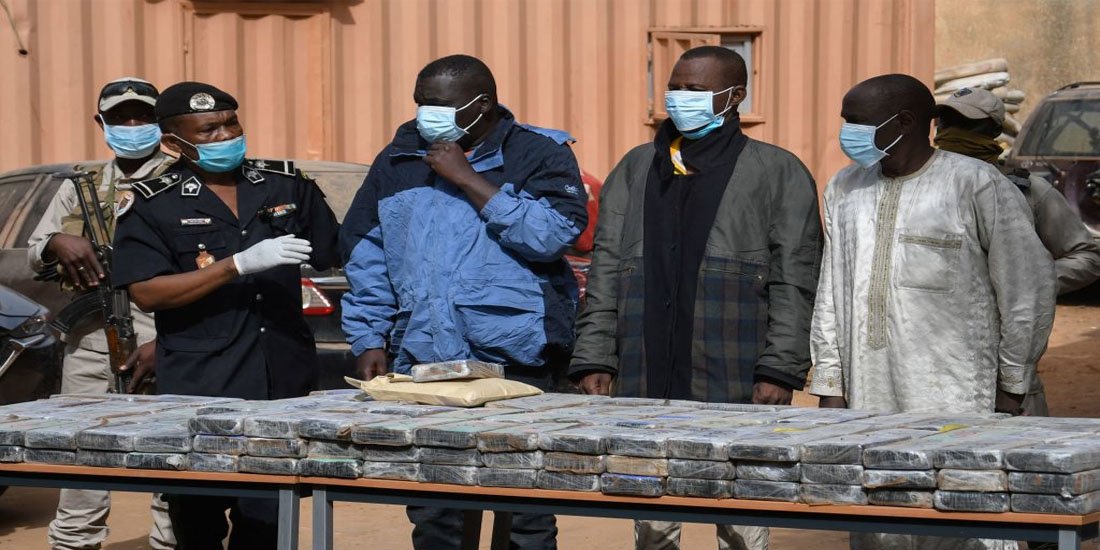
Cocaine arrests and seizures across West Africa doubled in 2024, according to findings discussed at a regional workshop validating the 2025 West African Epidemiology Network on Drug Use (WENDU) data, with early indications suggesting the trend has continued into 2025, though that data remains preliminary.
ECOWAS Principal Programme Officer for Drug Prevention and Control Dr Daniel Amankwa, who described the annual WENDU exercise as a key mechanism for tracking drug trends across the region, said the rise mirrors global patterns of record cocaine production, with West Africa continuing to serve as a major transit corridor toward Europe. Cannabis remains the most widely used illegal drug in the region, he said, but the picture has grown more complicated with the spread of synthetic drugs and altered pharmaceuticals: tramadol meant to contain fifty milligrams is now showing up in doses as high as five hundred, alongside substances like Kush, whose chemical composition has been illegally manipulated to increase potency.
Amankwa framed the human cost in terms of a cycle that reinforces itself, addiction fueling unemployment and poverty, which in turn pushes more people toward drug use, sometimes into crime to sustain it, weakening families and productivity along the way. He argued the response has to go beyond arrests and seizures, since criminal networks simply introduce new substances or concealment methods whenever an existing route gets disrupted. A more durable answer, he said, means stronger families, earlier prevention education, better law enforcement and wider access to treatment, including confidential and online counselling options that reduce stigma and reach people who are, in his words, often intelligent and productive individuals needing support rather than rejection. He also cautioned that many young people are misled into believing drugs such as tramadol can boost academic performance.
Regional cooperation has improved on joint operations and capacity building, Amankwa said, but deeper trust between national institutions remains essential before countries will confidently share sensitive intelligence. Workshop participants described the West Africa Drug Trend Report as an increasingly influential policy tool, one delegate noting that WENDU findings have already shaped major national decisions, including at least one country’s declaration of substance abuse as a public health emergency and the creation of national task forces elsewhere. The gathering also introduced a new secure digital platform, developed after extensive testing, for collecting and analyzing drug data across member states, alongside renewed calls for greater investment in surveillance, intelligence sharing and prevention programmes rooted in families and communities.