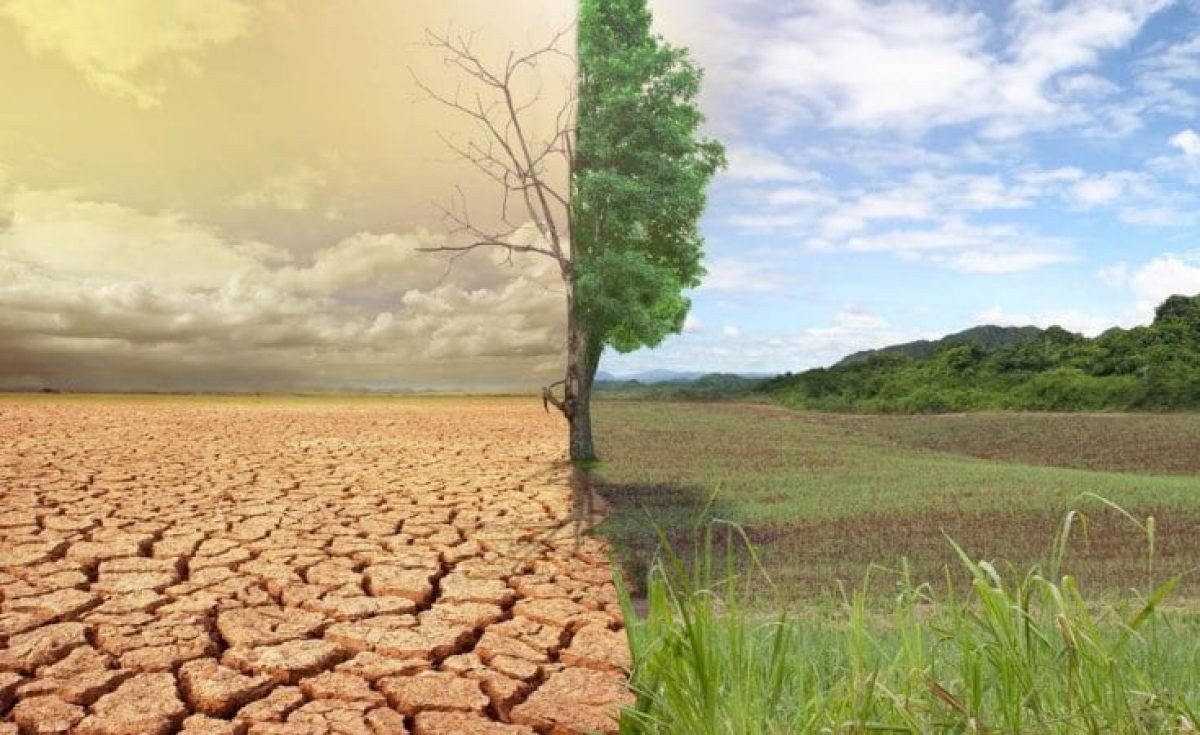
The federal government has warned that climate change remains one of the greatest threats to sustainable development in Nigeria, with the country facing mounting risks of flooding, desertification, biodiversity loss, urban heat stress, coastal erosion, and other environmental hazards that are accelerating as urbanization intensifies and infrastructure deficits deepen.
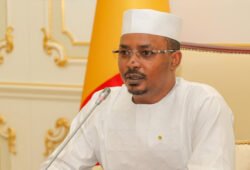
Director of the Department of Climate Change at the Federal Ministry of Environment Iniobong Abiola-Awe, represented at the 2026 World Environment Day commemoration in Abuja by Uduak Ekpa, said Nigeria’s rapidly expanding urban population presented both opportunities and serious challenges, and that many cities were already experiencing heightened vulnerability to flooding, waste management problems, air pollution, and the loss of critical ecosystems.
She said the federal government had recognized climate action as a national development priority through the Climate Change Act 2021 and related policy frameworks, and was working through its Nationally Determined Contributions, Energy Transition Plan, and National Adaptation Plan Framework in collaboration with the private sector, academia, civil society, and development partners to advance practical climate solutions.
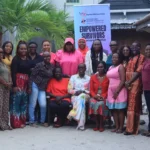
The event was organized by the Shehu Musa Yar’Adua Foundation in collaboration with the Office of the Deputy Speaker of the House of Representatives, YouthHub Africa, and the Centre for Climate Action Innovation and Engagement.
Foundation Director of Programs and Administration Vivian Emehelu said recent flooding and extreme heat before the rains properly started were visible evidence of climate change that no one could reasonably deny. She said rapid urbanization, deforestation, and the loss of green spaces were compounding the challenges, and that citizens needed to understand how to enjoy economic growth while being mindful of environmental sustainability.
YouthHub Africa Program Officer for Governance and Accountability Peter Ogah said young people, especially young women and girls, were disproportionately affected by climate change and should be at the centre of related discussions and policy decisions. He said unstable electricity supply had become a major pain point for young entrepreneurs in the Federal Capital Territory and that YouthHub Africa, with support from ActionAid, had been promoting agroecology as a sustainable alternative for youth in farming communities.
In Port Harcourt, Rivers State Ministry of Environment Permanent Secretary Alwell Okereuku warned of an impending man-made environmental catastrophe, lamenting that human activities and oil company operations had eroded Port Harcourt’s historic reputation as the garden city of Nigeria. He urged residents to avoid construction on natural waterways and drainage channels and called on oil companies to take greater responsibility for the environmental damage caused by their operations.