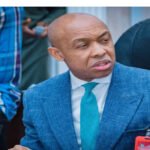
Former Vice President and African Democratic Congress presidential candidate Atiku Abubakar has called on President Bola Tinubu to intervene in the petroleum market to reduce petrol and diesel prices, arguing that high energy costs are worsening the cost-of-living crisis.
Atiku said the impact of fuel-price increases had spread through transportation, food, logistics, manufacturing and household expenses, making energy costs a central driver of economic hardship.
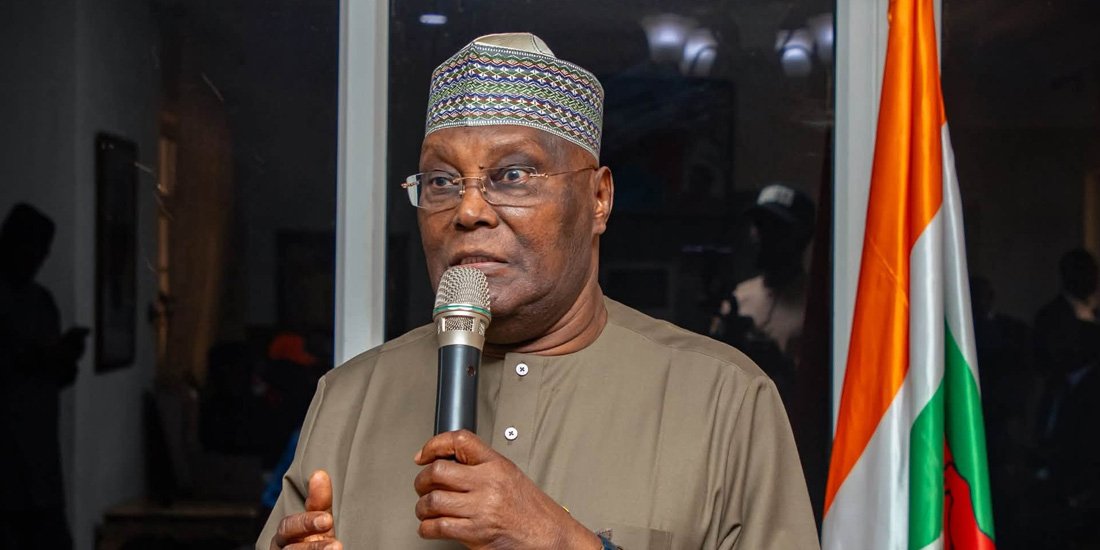
Speaking at a press conference in Abuja, he argued that the government should be willing to reconsider its policy approach if current conditions showed that Nigerians were carrying an unsustainable burden.
Atiku said the consequences of expensive fuel were being felt from the petrol station to markets and households, as farmers, traders, workers and businesses paid more to move goods and people.
He maintained that economic growth should ultimately be judged by purchasing power rather than headline statistics alone.
According to him, higher government revenues and stronger GDP numbers would mean little to households if wages continued to buy less food, fuel, electricity and transportation.
Atiku also criticized what he described as excessive reliance on palliatives, arguing that temporary relief measures could not substitute for policies that reduce the underlying cost pressures facing households.
He warned against repeating the same approach in the electricity sector, where subsidy reductions could further raise costs for small businesses and families.
The former Vice President said the administration still had time to introduce relief measures and offered to make available the policy framework behind his proposal.
Atiku said that if elected in 2027, he would introduce what he described as a transparent production subsidy for petroleum products refined in Nigeria and sold domestically.
Under the proposal, only locally refined products would qualify, while imported petroleum products would be excluded.
He said any such program would have a fixed spending limit, require National Assembly approval and be subject to independent audit.
The proposal remains a political and policy position by Atiku and has not been adopted by the current administration.
Atiku said his broader objective was to ensure that economic growth translated into jobs, higher purchasing power and lower household costs.