The presidential campaign of African Democratic Congress candidate Atiku Abubakar has defended his proposal to restore petrol subsidy, arguing that the policy would be fundamentally different from the previous import based subsidy system.
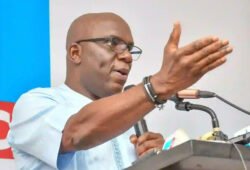
Campaign spokesman Kenneth Okonkwo said the proposal was designed primarily to make petrol more affordable to Nigerians.
He described it as the Atiku Fuel Affordability Plan.
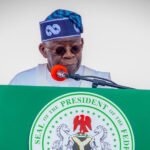
President Bola Tinubu had criticized Atiku’s subsidy proposal and argued that returning to the old system would recreate a major fiscal burden.
Okonkwo said that interpretation misrepresented the proposal.
He argued that Nigeria now had significantly greater domestic refining capacity than during the period when the country depended heavily on imported petrol.
According to him, an Atiku administration would seek to supply crude oil to local refineries at terms that allowed them to produce petrol more cheaply.
The campaign believes lower crude acquisition costs could reduce refinery production costs and ultimately translate into lower retail prices.
Okonkwo said the previous subsidy regime was vulnerable to abuse partly because of dependence on imported products and disputed import volumes.
He argued that the new proposal would not recreate that structure.
The campaign has not yet provided a complete fiscal model showing how crude would be priced, who would absorb any difference between market value and concessional supply, or how the arrangement would affect government revenue.
Those details would be important in determining whether the proposal constituted a subsidy in another form and what its eventual cost to the federation might be.
The debate is likely to become a central economic issue in the 2027 campaign because fuel prices remain a major contributor to household and business costs.