The Federal Government has renewed its commitment to improving access to finance, technology and markets for Nigerian businesses as part of efforts to strengthen the country’s productive economy.
Minister of Industry, Trade and Investment, Dr Jumoke Oduwole, said the government was particularly focused on helping Micro, Small and Medium Enterprises expand beyond survival and become competitive businesses capable of accessing regional and international markets.
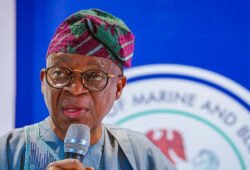
Oduwole spoke at the opening of the 21st Abuja International Trade Fair organized by the Abuja Chamber of Commerce and Industry.
She said Nigeria’s ambition of developing a $1 trillion economy could not be achieved by government alone and would require stronger collaboration with businesses, investors and development partners.
According to the minister, government’s responsibility is to create conditions that allow private enterprises to invest, expand and generate employment.
She identified improvements in infrastructure, trade facilitation, access to finance, technology, standards and government processes as important components of that strategy.
Oduwole also challenged participants to ensure the Abuja International Trade Fair produced measurable business transactions rather than simply serving as an exhibition platform.
She said trade fairs should connect manufacturers with markets, businesses with buyers and entrepreneurs with investors and financing opportunities.
ACCI President Emeka Obegolu, meanwhile, urged the government to address multiple taxation, inadequate infrastructure, expensive credit, port procedures and other challenges confronting businesses.
He argued that the resilience demonstrated by Nigerian entrepreneurs should be supported by policies that promote production, reward innovation and simplify regulatory compliance.
According to the chamber, more than 500 exhibitors participated in the trade fair.
India’s High Commissioner to Nigeria, Abhishek Singh, also disclosed that bilateral trade between Nigeria and India had risen to $9.2 billion in the 2025/26 period.
Singh said India was interested in expanding its relationship with Nigeria beyond conventional trade into areas including affordable technology, healthcare, critical minerals, innovation, startups and digital infrastructure.
He also expressed India’s interest in encouraging greater local production and value addition in Nigeria.
The Nigerian Association of Chambers of Commerce, Industry, Mines and Agriculture similarly called for continued reforms to address constraints facing the private sector.
Its representatives cited economic data showing the growing importance of manufacturing, trade and the broader non oil economy to Nigeria’s economic diversification.
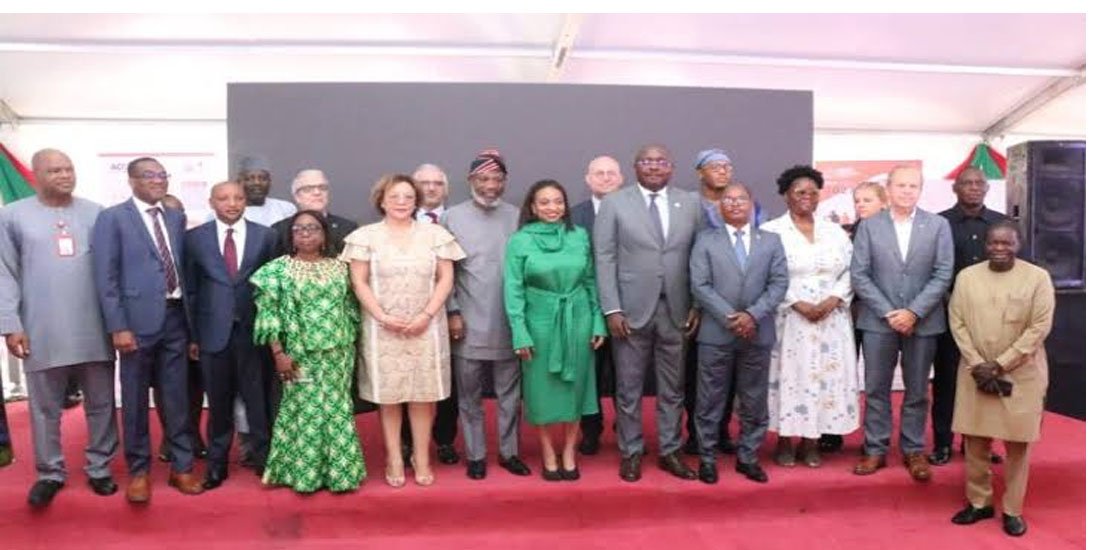
Participants from several foreign missions and international organizations also attended the trade fair.