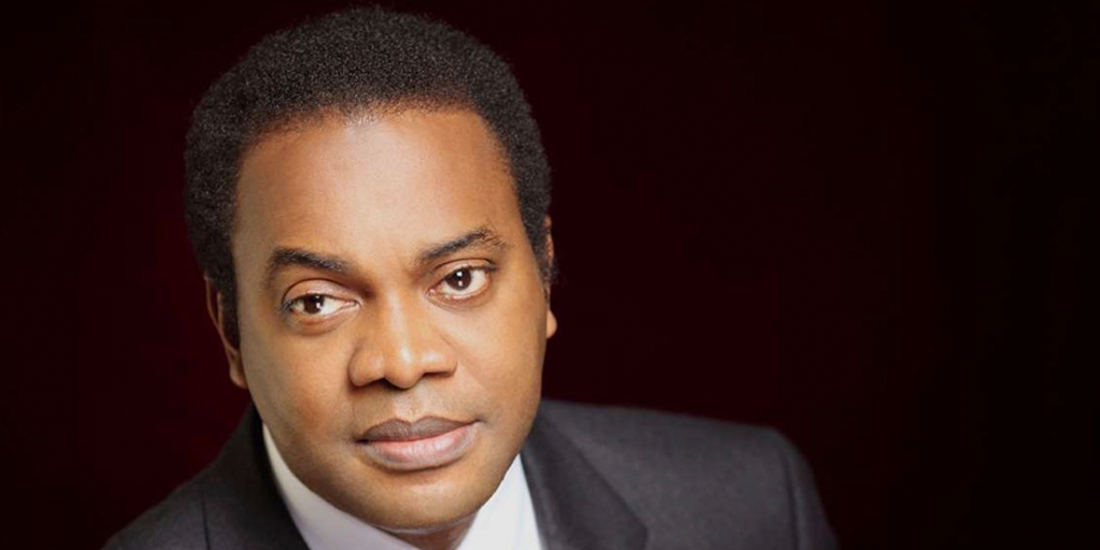
Peoples Redemption Party presidential candidate Donald Duke has urged opposition parties to consider greater cooperation ahead of the 2027 election, warning that a fragmented opposition would face a significant challenge against President Bola Tinubu and the advantages of incumbency.
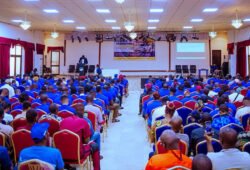
Duke made the remarks ahead of a G100 opposition summit scheduled in Abuja.
He described Tinubu as a formidable political opponent and argued that opposition parties needed to recognize the structural advantages available to a sitting president.
Duke said political ego and competing ambitions could weaken opposition parties more effectively than electoral manipulation if they failed to coordinate.
He argued that a broad and credible alliance could improve the opposition’s ability to compete.
The former Cross River State governor said Tinubu’s political experience should not be underestimated.
His comments came as opposition parties adopted different positions on the proposed summit.
The African Democratic Congress confirmed that it would participate.
ADC National Publicity Secretary Bolaji Abdullahi said the party supported discussions that could strengthen opposition cooperation.
He said possible areas of collaboration could include election day logistics, polling agents and collation centre coverage.
Abdullahi also stressed that the meeting was exploratory and did not automatically mean opposition parties would agree on a single presidential candidate.
The Tanimu Turaki led faction of the Peoples Democratic Party also said it would attend and support legitimate efforts to challenge the APC.
The Labour Party, however, said it would not participate.
Its spokesman Kenneth Eluma Asogwa said the party already considered itself politically aligned with organized labour through the Nigeria Labour Congress and Trade Union Congress.
He argued that the Labour Party therefore did not need another coalition arrangement.
The differing positions show that opposition cooperation remains uncertain.
While some parties are open to practical collaboration, others continue to emphasize their independent structures and identities.
Duke said the central question was whether opposition parties were willing to put aside individual ambitions long enough to confront a ruling party with national machinery and incumbency advantages.