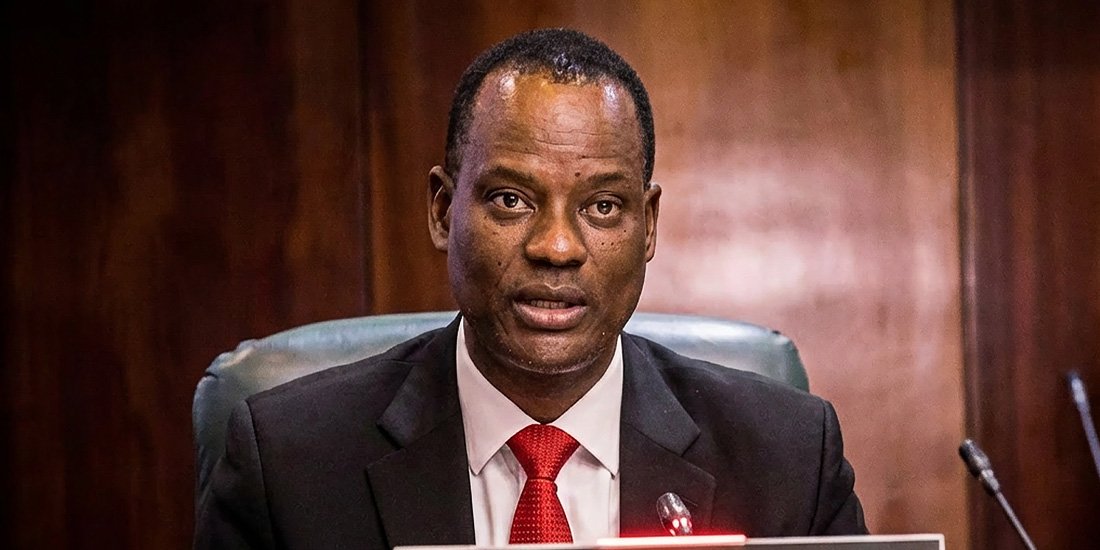
The Minister of Finance and Coordinating Minister of the Economy, Mr. Taiwo Oyedele, has defended the borrowing record of President Bola Tinubu’s administration, stating that the Federal Government has not borrowed the estimated ₦75 trillion to ₦80 trillion widely attributed to it.
Speaking during an interactive session with the Senate Committee on Finance, Oyedele explained that the sharp increase in Nigeria’s public debt was largely caused by the revaluation of existing foreign loans following the naira’s depreciation, the securitisation of inherited Ways and Means advances, and the refinancing of maturing debts rather than fresh borrowing.
According to him, more than ₦40 trillion of the increase resulted from exchange rate adjustments, while another ₦33 trillion came from converting legacy Ways and Means liabilities into formal debt.
“For external loans, we always require the approval of the National Assembly. We have not even taken half of what the National Assembly approved,” he said, adding that much of the domestic borrowing involved refinancing existing obligations rather than contracting new debt.
Oyedele also disclosed that the Federal Government generated ₦21.6 trillion in tax revenue between January and June 2026, representing a 49 per cent increase compared to the same period last year. He attributed the growth to ongoing tax reforms, digitalisation of revenue collection and improved compliance.
The minister said Nigeria’s economy was showing signs of recovery, with Gross Domestic Product (GDP) growing by 3.8 per cent in the first quarter of 2026, while external reserves rose above $51 billion, the highest level in 17 years.
He acknowledged that inflation remained a major challenge but expressed confidence that coordinated fiscal and monetary policies were beginning to ease price pressures.
Oyedele also defended government tax incentives and import duty waivers, saying they were designed to support critical sectors such as manufacturing, healthcare, food security, defence and clean energy without placing additional burdens on consumers.
During the session, lawmakers welcomed improvements in revenue generation but raised concerns over Nigeria’s rising debt profile, poor budget implementation and delayed capital releases.
Senate Chief Whip, Senator Tahir Monguno, questioned why stronger revenues had not translated into effective implementation of the national budget, warning that failure to implement appropriation laws undermines governance and development.
Chairman of the Senate Committee on Finance, Senator Sani Musa, called for reforms to Nigeria’s budgeting framework, advocating a performance-based budgeting system to improve fiscal discipline, transparency and value for public spending.
The committee resolved to sustain oversight of the nation’s public finances, debt management and implementation of fiscal reforms to ensure greater accountability and improved service delivery.