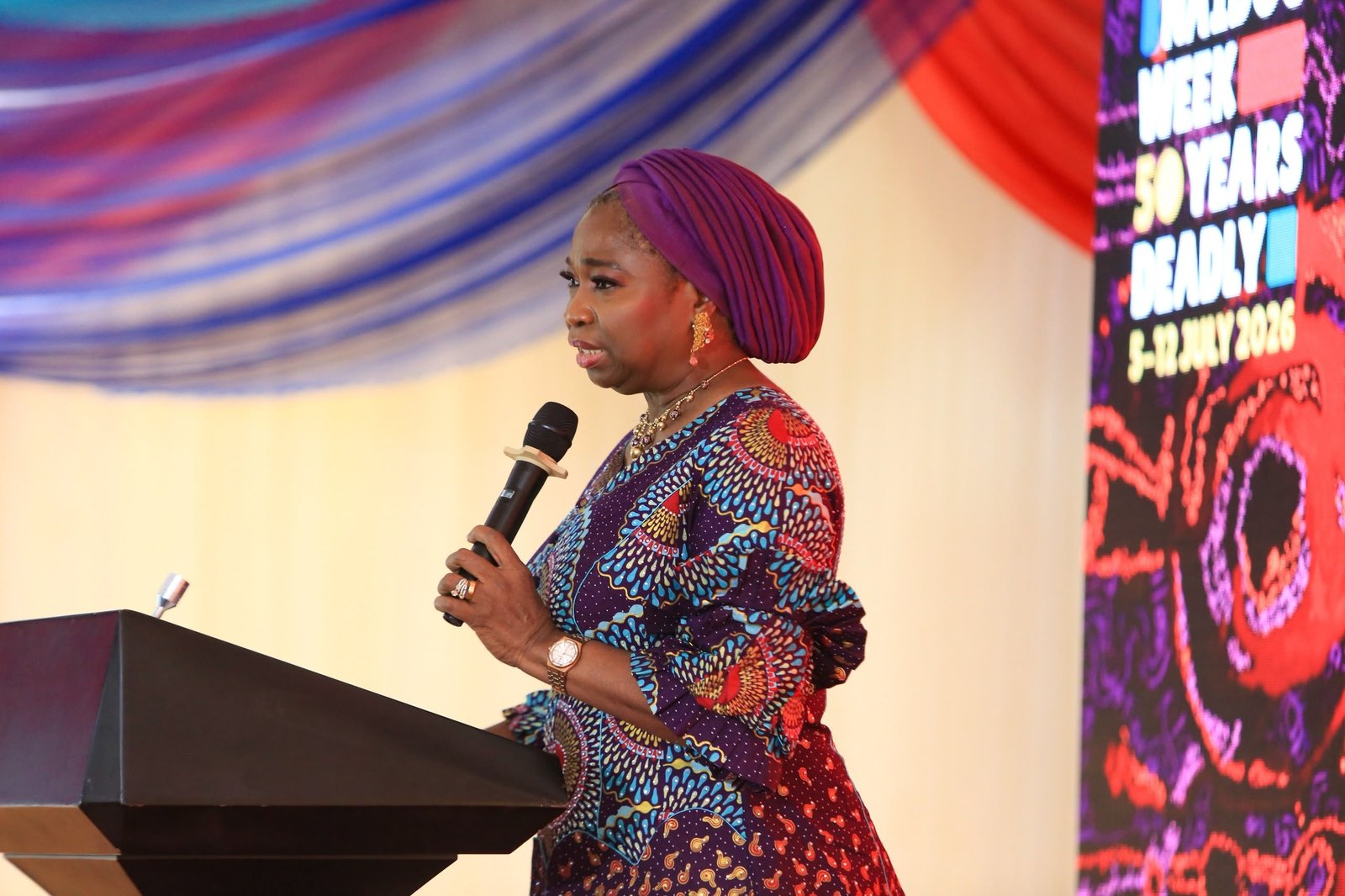
Chairman/Chief Executive Officer of the Nigerians in Diaspora Commission (NiDCOM), Hon. Abike Dabiri-Erewa, has commended Australia for its five decades of celebrating and preserving the culture and heritage of its Indigenous peoples through the annual NAIDOC Week.
Speaking as the special guest of honour at a reception hosted by the Australian High Commission in Abuja to commemorate the 50th anniversary of NAIDOC Week, Dabiri-Erewa described culture as the foundation upon which nations are built and urged countries to preserve their indigenous heritage.
She said she was honoured to join Australia in recognising the history, culture and achievements of Aboriginal and Torres Strait Islander peoples.
“As Chairman of NiDCOM, I come not just as a representative of the Nigerian Government, but as a sister from another part of the world that also understands the power of resilience, culture and community,” she said.
The NiDCOM boss noted that an exhibition showcased during the event resonated deeply with her, saying many of the photographs reflected experiences common to Indigenous communities across the world.
She highlighted the Aboriginal English word “Deadly,” which means strong, proud and excellent, describing it as an appropriate expression of the significance of the 50-year milestone.
According to her, Australia’s commitment to preserving and celebrating the culture, language and leadership of its First Nations people demonstrates that national development is strengthened when indigenous communities are recognised and included.
“The way Australia has created space to celebrate First Nations culture, language and leadership is something we admire. It teaches us that nation building must include everyone and that the wisdom of First Peoples and ancestral communities is invaluable national capital,” Dabiri-Erewa said.
She observed that Nigeria, with more than 250 ethnic groups and a rich cultural heritage, shares a similar diversity and must continue to preserve its traditions.
“Without culture, you are empty. When you lose your culture, you lose everything,” she added.
Speaking on this year’s NAIDOC Week theme, Dabiri-Erewa said it reflected the importance of empowering young Indigenous people, noting that many Aboriginal and Torres Strait Islander youths are making significant contributions in law, healthcare, technology, sports and the creative industry.
She drew parallels with young Nigerians in the diaspora, who continue to distinguish themselves globally while maintaining strong ties to their cultural heritage.
“Our responsibility as leaders is to clear the path for them to thrive,” she said.
Also speaking at the event, the Australian High Commissioner to Nigeria, Leilani Bin-Juda, said the relationship between Australia and Nigeria extends beyond diplomatic and economic cooperation to shared values, cultural exchange and enduring people-to-people ties.
She noted that diplomacy is strengthened not only through governments and institutions but also through culture, dialogue and human connections.
“Nigeria and Australia are very different countries in many respects, but we share an understanding of the importance of culture, community and identity,” Bin-Juda said.
According to her, both countries are enriched by remarkable cultural diversity, with traditions, languages and histories that continue to shape their national identities.
She added that the bilateral relationship between Nigeria and Australia continues to grow through cooperation in trade, investment and other strategic sectors.
The reception featured a screening of Gurrumul, an award-winning documentary on the life of the late Indigenous Australian singer-songwriter Geoffrey Gurrumul Yunupingu, who was born blind and became Australia’s most commercially successful First Nations artist.
NAIDOC Week is an annual celebration of the history, culture and achievements of Aboriginal and Torres Strait Islander peoples, with this year’s event marking its 50th anniversary.