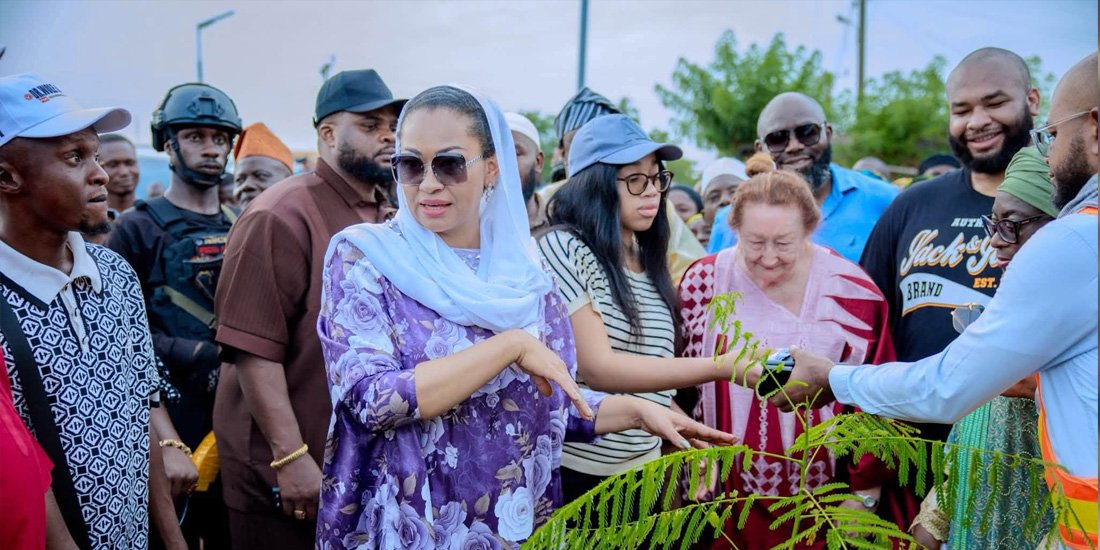
Senator Natasha Akpoti-Uduaghan has launched a 10,000 Economic Trees Project across Kogi Central Senatorial District and commissioned a free campus-wide Wi-Fi facility at the Federal College of Education (FCE), Okene, as part of efforts to promote environmental sustainability, digital inclusion and youth empowerment.
The initiatives, unveiled over the weekend, were disclosed in a statement issued by the senator’s Media Office.
According to the statement, the interventions are aimed at addressing climate change, expanding access to digital resources and creating sustainable economic opportunities for residents of the district.
Speaking at the launch of the tree-planting programme, themed “Growing Kogi Central, Building Our Future,” Akpoti-Uduaghan said the initiative aligns with global climate action objectives championed under the United Nations Conference of the Parties (COP) process.
She explained that the project would see the planting of 10,000 carefully selected economic trees, including mango, guava, orange, moringa, neem and other indigenous species valued for their environmental, nutritional, medicinal and commercial benefits.
According to the senator, the initiative is expected to improve food security, restore degraded land, enhance biodiversity, create jobs, boost agricultural productivity and increase household incomes across communities in Kogi Central.
“Today, Kogi Central is joining the global movement for climate action. Every tree we plant is a symbol of hope, resilience and our collective determination to leave behind a healthier environment and a stronger economy for future generations,” she said.
Akpoti-Uduaghan noted that the project reflects commitments made at successive United Nations climate conferences, where governments agreed to promote ecosystem restoration, sustainable environmental practices and increased carbon sequestration.
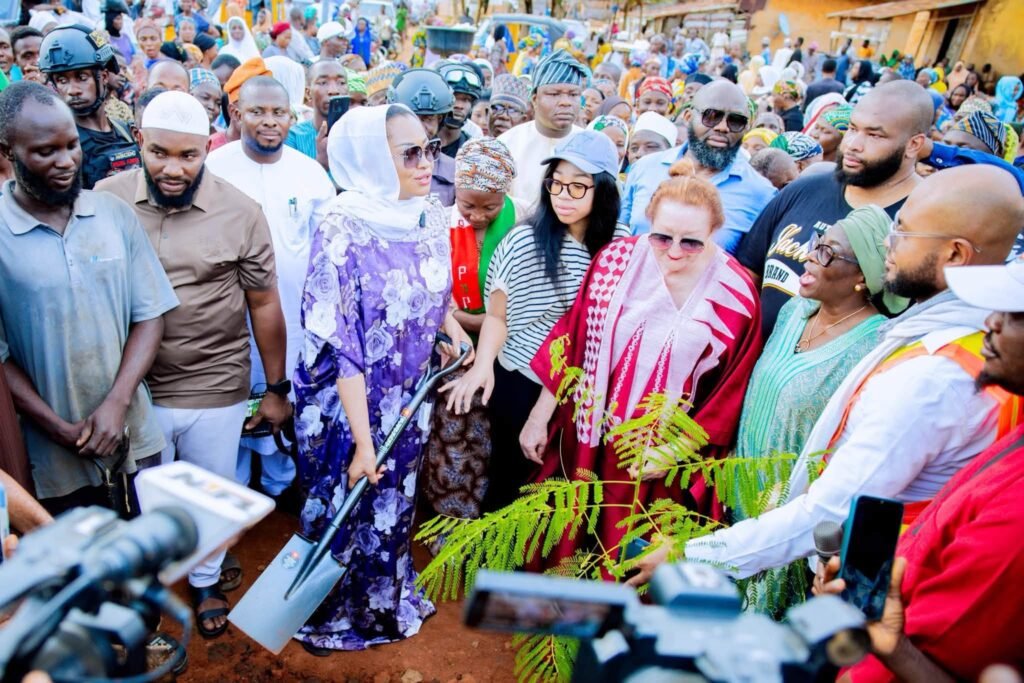
She stressed that the choice of economic tree species was deliberate, saying environmental conservation and economic prosperity should complement each other.
“Our people should not have to choose between protecting the environment and earning a living. These trees will provide cleaner air, healthier communities, increased food production, additional household income and lasting environmental protection,” she added.
The senator also highlighted the impact of climate change on local communities, citing rising temperatures, soil erosion, changing rainfall patterns and declining agricultural productivity.
She urged traditional rulers, community leaders, women, youths, schools, farmers and civil society organisations to take ownership of the project by ensuring the survival of every tree planted.
“Government can initiate projects, but communities sustain them. I encourage every resident to see each tree as a legacy. Together, we can build a greener, healthier and more prosperous Kogi Central,” she said.
In a separate intervention, Akpoti-Uduaghan commissioned a free campus-wide Wi-Fi facility at the Federal College of Education, Okene, to enhance digital learning and improve access to educational resources.
The internet facility will provide students with free access to digital libraries, research materials, online courses and other academic resources.
Addressing students during the commissioning, the senator described internet connectivity as an essential tool for education, innovation and economic empowerment.
“Education remains one of the greatest investments we can make in our future. Access to the internet is no longer a luxury; it is an essential tool for learning, innovation, research and economic empowerment. Our students deserve the same digital opportunities available anywhere in the world,” she said.
She explained that the project was designed to eliminate barriers to knowledge, encourage innovation, support academic excellence and equip students with globally competitive digital skills.
According to her, improved internet access would expose students to global learning opportunities, including artificial intelligence, software development, online certification programmes, entrepreneurship and remote employment.
Students welcomed the initiative, describing it as one of the most significant educational interventions at the institution in recent years.
They said the free Wi-Fi service would reduce the cost of internet subscriptions, improve academic research, support virtual learning and help students acquire skills needed to compete in the global digital economy.
Education stakeholders also commended the initiative, noting that reliable internet access has become indispensable for modern teaching, research, innovation and academic collaboration.
They expressed optimism that similar digital infrastructure projects would be extended to other tertiary institutions across Kogi Central to further strengthen technology-driven education and sustainable development in the district.