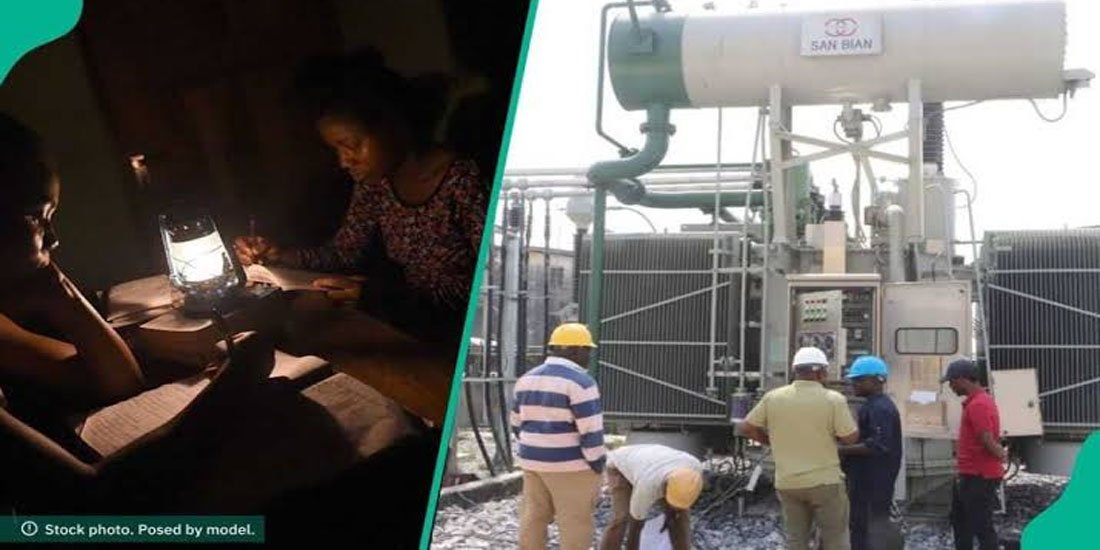
Two of Lagos’s key transmission substations have been hit hard by flooding this week, with the Transmission Company of Nigeria (TCN) declaring force majeure at its Oworonshoki and Lekki facilities after relentless rain overwhelmed drainage systems.
At Oworonshoki, the damage proved severe enough to knock the station out completely. Two transformers there, rated at 60MVA and 30MVA, tripped offline once floodwater reached their protection and control cabling, and repeated attempts to restore them failed. TCN said restoration cannot resume until the water recedes enough for the transformers to be safely tested, a process complicated by rain that has continued to outpace pumping efforts. The Lekki substation fared better: constant pumping kept it operational even as water surrounded the site.
The outage has disrupted supply to customers of Eko Electricity Distribution Company, and TCN issued an apology for the inconvenience while its engineers continue working to clear the site.
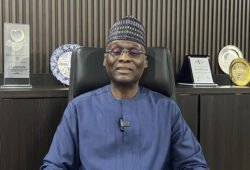
Beyond the immediate flooding, the incident lands amid a broader reckoning over the state of Nigeria’s power infrastructure. At the second quarter Nigerian Electricity Supply Industry Stakeholders’ Meeting convened by the Nigerian Electricity Regulatory Commission (NERC), Minister of Power Joseph Tegbe used the flooding as a backdrop to press for tougher action against vandalism, grid sabotage and energy theft, which he described as economic warfare against Nigerian households. He wants critical power assets given formal protected status and said government will simultaneously work to strengthen the existing grid by identifying weak points, deploying emergency backup capacity, replacing faulty relays and extracting more output from current infrastructure while new capacity is built.
Tegbe also took aim at estimated billing, calling it an unfair practice that hides systemic inefficiencies at consumers’ expense, and pledged faster metering rollout alongside a new tariff transition framework designed to protect vulnerable households while giving investors enough certainty to commit long term capital. He tied this to a wider push for financial transparency across the sector, including clearer Distribution Remittance Obligation calculations and published performance scorecards for generation and distribution companies, alongside longer term plans to expand private ownership of distribution companies under stronger regulatory oversight.
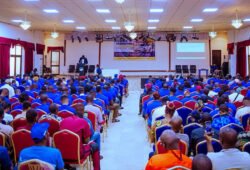
NERC Chairman Dr Musiliu Oseni added his own call for closer collaboration among operators, stricter compliance and better customer service. The quarterly meeting, which reviewed sector performance and drew senior figures including Special Adviser to the President on Power Rilwan Babalola and Permanent Secretary Mahmuda Mamman, also covered grid stability, the SCADA monitoring rollout, and progress under the Distribution Sector Recovery Programme. Attendees agreed that while the sector has made progress, reliability will keep depending on how well infrastructure such as the flooded Lagos substations can withstand events like this week’s storms.