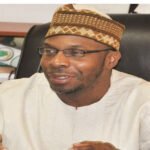
Financial Reporting Council Chief Executive Rabiu Olowo has urged Nigerian businesses to embrace sustainability reporting as a strategic tool for attracting investment in a global economy where transparency increasingly determines where capital flows.
Speaking at the 5th Annual Nigeria Employers’ Summit in Abuja through a representative, Olowo said investors were no longer guided solely by profitability but were placing growing weight on how organisations managed environmental, social and governance risks and demonstrated resilience. Credible disclosures, he said, were becoming decisive in determining which companies secured financing and access to international markets.
He warned that firms which delayed preparations until reporting became mandatory could find themselves at a competitive disadvantage as global supply chains, multinationals and lenders grew more selective, with sustainability information now shaping investment, lending and procurement decisions.
Olowo said Nigeria’s phased roadmap was designed to ready businesses ahead of mandatory reporting for public interest entities from 2028, and disclosed that more than 50 organisations across banking, manufacturing, telecoms and other sectors were already working towards adopting the international standards, with over 4,500 people from 215 organisations having benefited from the council’s training. He argued that the companies that would succeed in future would be the most trusted rather than the biggest.
Separately in Lagos, Olowo presented the draft 2026 Nigerian Actuarial Practice Regulations to stakeholders for input ahead of enactment. He said reliable financial reporting depended on reliable actuarial work, and that the regulations would set minimum professional standards, strengthen ethics and independence, and support compliance with international financial reporting standards.