The Federal Ministry of Environment and PROTEGO have launched a policy brief on marine litter prevention in Nigeria, warning that the country loses at least $1 billion annually to disruptions caused by waste pollution in its waterways and coastal communities and that stronger regulatory and financing frameworks were urgently needed to close critical gaps in the country’s response.
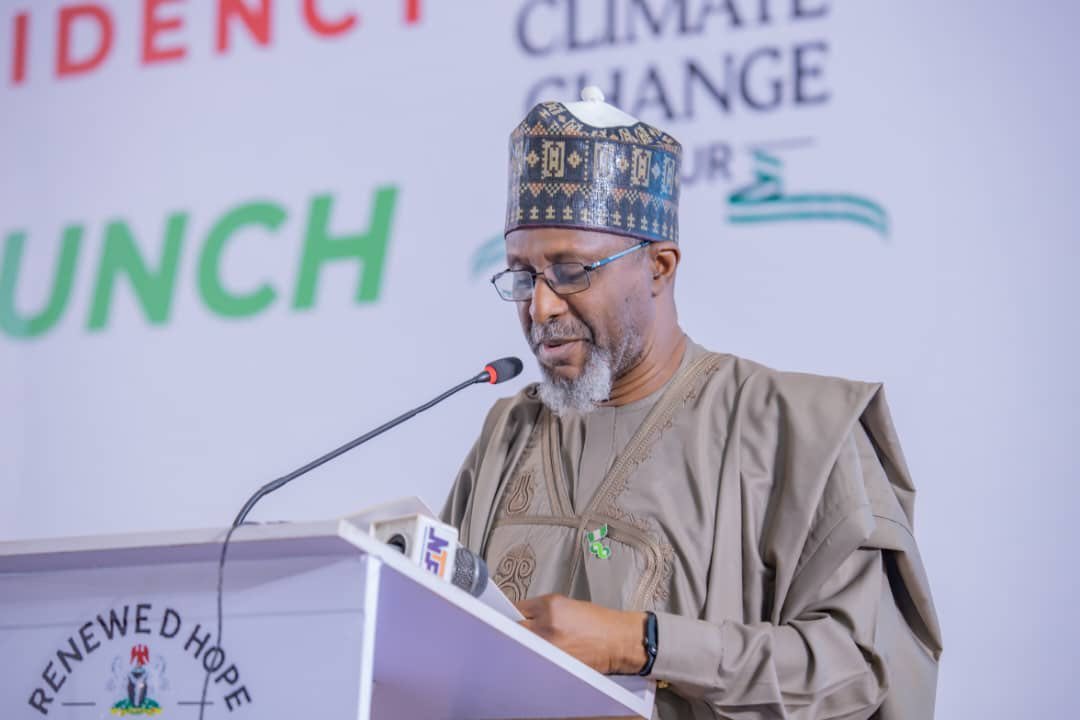
Speaking at the launch in Abuja on behalf of the Minister of Environment, Balarabe Abbas Lawal, Director Omotunde Adeola described marine litter as one of the most urgent environmental challenges confronting the world today, noting that Nigeria’s rivers and waterways served as direct pathways through which waste entered the marine environment and that the country could not afford a fragmented approach to addressing the problem.
She said the newly launched policy brief provided an evidence-based assessment of Nigeria’s current policies, institutional frameworks, and financing mechanisms for preventing marine litter, while identifying gaps and recommending practical steps for improvement. The ministry said it had over the years demonstrated commitment through the National Policy on Plastic Waste Management, Extended Producer Responsibility implementation, and the National Plastic Action Partnership aimed at promoting a circular economy.
Deputy Director Falmata Bukar-Kolo, speaking separately with journalists, emphasized that preventing marine litter before it entered waterways was significantly more cost-effective than clean-up operations, and that effective financing could support recycling initiatives and waste-to-energy solutions capable of creating jobs while reducing pollution.
Regional Coordinator for Africa at PROTEGO, Clem Ugorji, said the policy brief was developed after more than a year of collaboration with the ministry and stakeholders to assess gaps in Nigeria’s policy and regulatory landscape, with studies across identified hotspots revealing weaknesses in waste management systems and institutional frameworks that required immediate remediation.