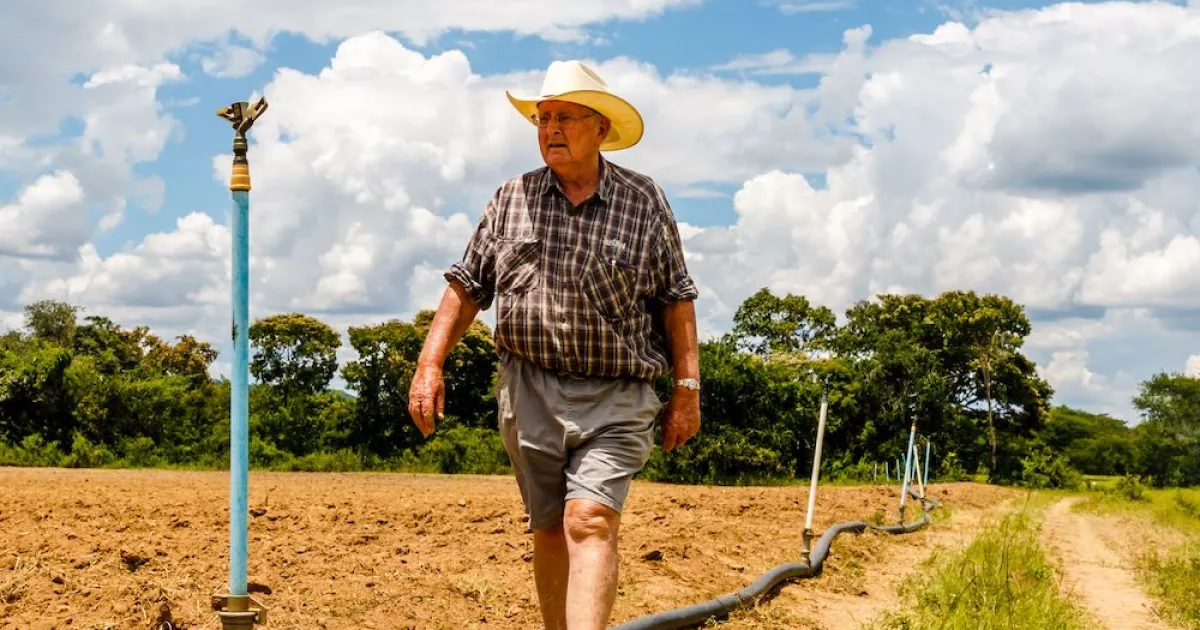
The Zimbabwean government has announced plans to return several foreign-owned farms seized during the controversial land reform programme initiated under former President Robert Mugabe, in what analysts view as part of efforts to rebuild investor confidence and strengthen relations with international partners.
Agriculture Minister Anxious Masuka disclosed on Friday that 67 farms protected under bilateral investment agreements would be restored to foreign investors after remaining unused for years.
The affected investors are from Denmark, Germany, Netherlands, and Switzerland.
Masuka also revealed that more than 400 white commercial farmers would be allowed to repurchase parts or all of their former properties, while 840 farms previously owned by black Zimbabweans would be returned to their original owners.
The land reform programme, launched in 2000 under Mugabe’s administration, saw thousands of white-owned farms forcibly taken and redistributed to black Zimbabweans in a bid to correct colonial-era land imbalances.
While the policy was widely supported by many locals, it drew international condemnation over violent farm invasions and allegations of human rights abuses. The programme also contributed to sanctions and years of economic decline in Zimbabwe.
Despite the latest concessions, the government maintained that the land reform initiative itself would not be reversed.
“Land reform is irreversible,” Masuka said, insisting that land redistribution remained central to Zimbabwe’s liberation history and national identity.
The announcement has, however, sparked debate among political observers and activists, some of whom accused the government of adopting contradictory positions on land ownership.
Social justice advocate Tendai Mbofana argued that the policy shift reflected growing economic realities and pressure to restore investor confidence.
President Emmerson Mnangagwa has in recent years pursued measures aimed at re-engaging Western creditors and resolving Zimbabwe’s long-standing debt crisis.
In 2020, his administration agreed to compensate approximately 3,500 white farmers displaced during the land reform programme with a $3.5 billion package.
However, the debt-ridden government later revised the arrangement in 2023, offering only one percent in cash payments while converting the remainder into US dollar-denominated treasury bonds.
Zimbabwe, once regarded as a major agricultural producer in southern Africa, continues to grapple with food shortages and economic instability decades after the land seizures.