A coalition of women led groups has warned that Nigeria could record its lowest level of female representation in the Senate since the return to democracy, projecting that women may hold just 2.7 percent of seats after the 2027 general elections.
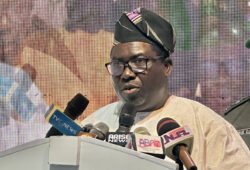
The alarm was raised at a press conference in Abuja, where civil society organizations presented findings from an audit of the 2026 party primaries across 22 political parties. The coalition is pressing for urgent policy and legislative action, describing the Special Seats Bill as the most practical route to closing the gender gap, a fix it said requires legal reform rather than training or advocacy alone.
Invictus Africa Executive Director, Bukky Shonibare, said the audit exposed persistent barriers including forced withdrawals, opaque consensus arrangements and last minute candidate substitutions. She said female participation remained critically low, with only three parties recording female aspirant rates above 20 percent: the PDP at 28.2 percent, YPP at 22.2 percent and YP at 20 percent. The lowest rates were the NRM at 11.8 percent, the APC at 10.4 percent and the NNPP at zero. Only three women won Senate primaries across all parties, she said, projecting that women could end up with 2.7 percent of Senate seats in 2027, down from 3.6 percent in 2023.
Toun Okewale Sonaiya of the Voice of Women Empowerment Foundation described the primaries as institutionalized gatekeeping, warning that without intervention 2027 would deliver worse outcomes for women than 2023. Cynthia Mbamalu of Yiaga Africa called on INEC to publish a comprehensive, gender disaggregated audit to strengthen accountability.
The coalition issued a seven point charter directed at state governors, party chairmen, INEC and President Bola Tinubu. Its demands include publishing data on women who bought nomination forms, were pressured to withdraw or lost tickets to consensus arrangements; ending consensus as a tool to sideline women; adopting female deputy governors for all male governorship candidates; strengthening oversight to ensure constitutional fairness; and supporting passage of the Special Seats Bill, which it called a temporary democratic correction rather than charity.
The groups pledged to keep monitoring the 2027 process, documenting exclusion and holding political actors to account. Signatories include the Voice of Women Empowerment Foundation, Women in Politics Forum, EneObi Centre for Development and Gender Strategy Advancement International.