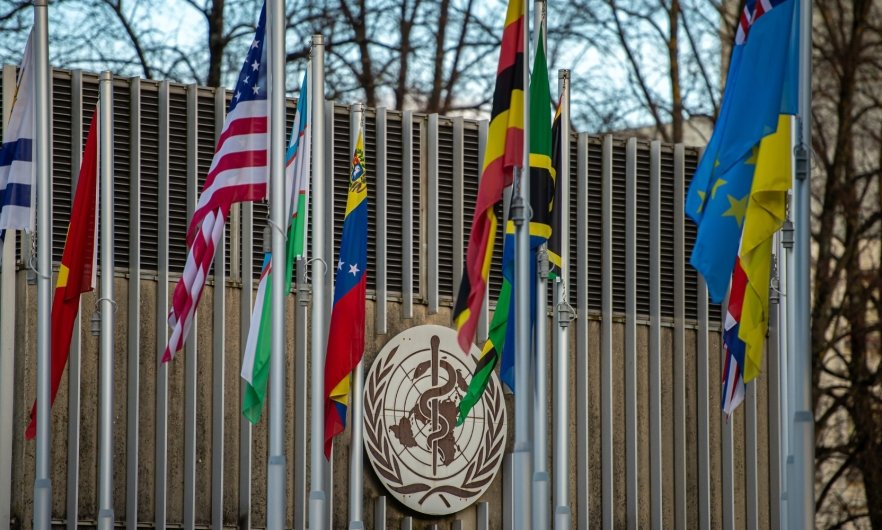
The World Health Organization has confirmed 471 cases and 84 deaths in the Ebola outbreak declared an international public health emergency, with the Democratic Republic of Congo tallying 452 confirmed cases including 82 deaths and Uganda recording 19 confirmed cases including two deaths, as daily totals continued to climb sharply in what the WHO chief described as a fast-moving outbreak that requires urgent collective action.
The latest figures marked an increase of 100 cases and 20 deaths from the preceding day’s count, reflecting the rapid pace of spread since the outbreak was declared on May 15 in northeastern DRC. A senior US Centers for Disease Control and Prevention official said modelling indicated that without strong public health interventions, the outbreak risked rivalling the scale of the 2014 West Africa epidemic which recorded more than 28,000 cases and over 11,000 deaths.
WHO Director-General Tedros Adhanom Ghebreyesus said the outbreak was moving fast and the global response was still catching up, calling for urgent collective action to stop the spread at its source, support countries already responding, and ensure neighboring countries could detect and act quickly if cases appeared. The WHO and Africa CDC launched a 518 million dollar emergency plan to battle the outbreak over the next six months, focusing on surveillance, laboratory testing, and infection prevention. There are no approved vaccines or treatments for the Bundibugyo species of Ebola responsible for the outbreak. In Nigeria, the Lagos Waste Management Authority issued a precautionary advisory to health facilities and medical waste handlers across the state, directing them to reinforce infection prevention measures including proper hand hygiene, use of personal protective equipment, safe handling of medical specimens, environmental decontamination, and strict segregation of infectious waste at source. LAWMA Managing Director and Chief Executive Dr. Muyiwa Gbadegesin said there were no confirmed Ebola cases in Lagos or anywhere in Nigeria, but that preparedness remained one of the most effective tools in disease prevention