The US Supreme Court has rejected President Donald Trump’s attempt to restrict birthright citizenship, dealing a significant setback to one of the administration’s key immigration policies.
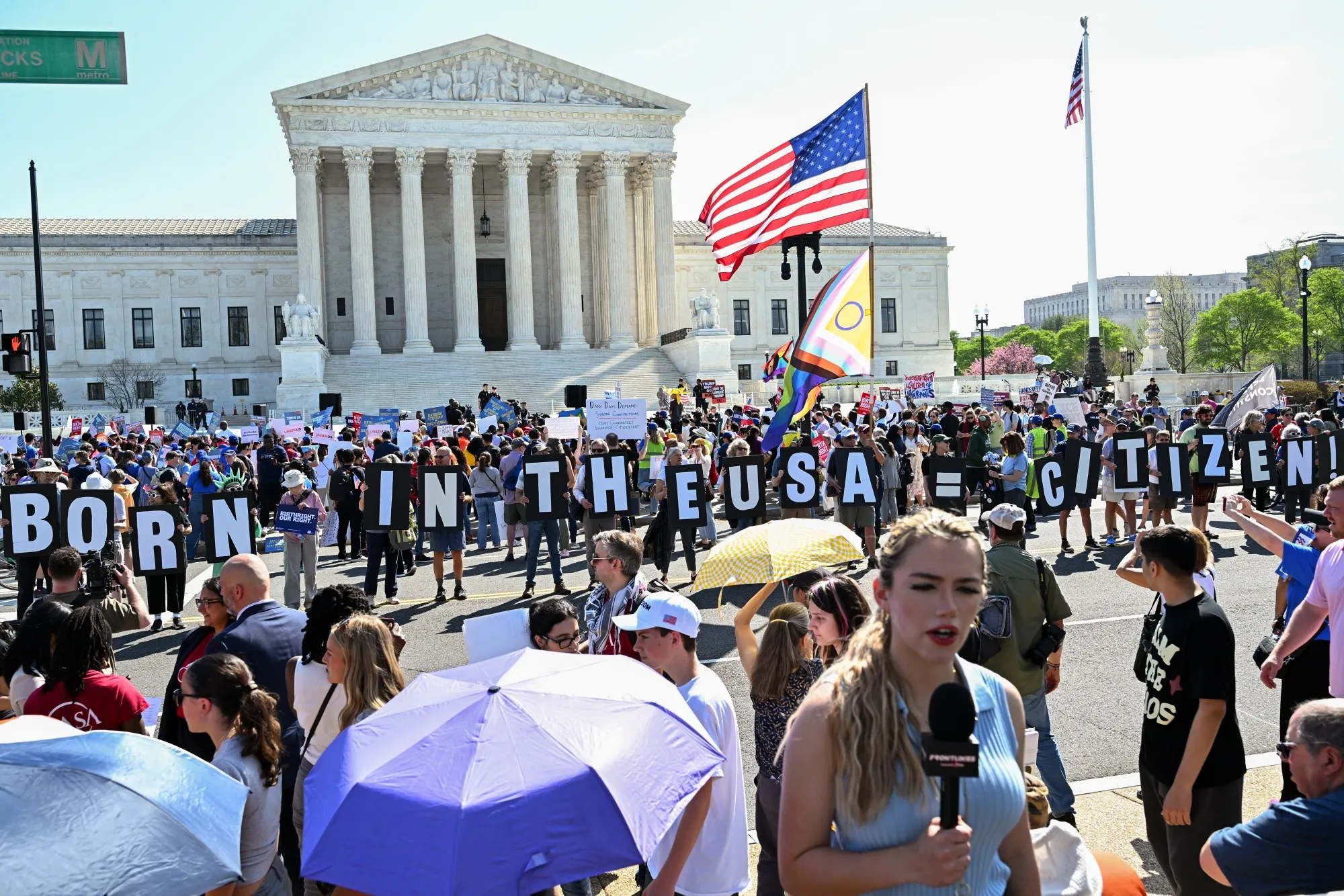
In a 6-3 ruling delivered on Tuesday, the court upheld the constitutional guarantee that nearly everyone born on American soil is automatically a United States citizen.
The decision affirms lower court rulings that blocked Trump’s executive order, signed on the first day of his second term, which sought to deny automatic citizenship to children born in the United States to parents who were either in the country illegally or on temporary visas.
Writing for the majority, Chief Justice John Roberts said the Citizenship Clause of the Fourteenth Amendment applies to children born in the United States regardless of their parents’ immigration status.
“Children born in the United States to parents unlawfully or temporarily present are ‘subject to the jurisdiction’ of the United States and are citizens at birth under the Fourteenth Amendment’s Citizenship Clause,” Roberts wrote.
The ruling was joined by two other conservative justices and the court’s three liberal justices.
Trump had argued that the Fourteenth Amendment, adopted after the American Civil War, was intended to protect the citizenship rights of formerly enslaved people and did not extend to the children of undocumented immigrants or temporary visitors.
His administration maintained that individuals residing in the country unlawfully or on temporary visas were not fully “subject to the jurisdiction” of the United States and therefore their children should not automatically receive citizenship.
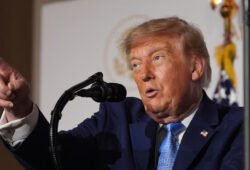
During oral arguments in April, Trump made the unusual decision to personally attend proceedings before the Supreme Court, where Solicitor General John Sauer defended the executive order.
Sauer argued that unrestricted birthright citizenship encourages illegal immigration and “birth tourism,” in which foreign nationals travel to the United States to give birth so their children can acquire American citizenship.
The challenge to the executive order was led by the American Civil Liberties Union (ACLU), whose attorney, Cecillia Wang, welcomed the ruling.
“The court’s decision reaffirms a fundamental American promise—if you are born here, you are a citizen,” Wang said, adding that “a president cannot change the Constitution by executive fiat.”
In reaching its decision, the Supreme Court also relied on its landmark 1898 ruling in the case of Wong Kim Ark, which established that a person born in the United States to Chinese parents was entitled to American citizenship under the Fourteenth Amendment.
Roberts noted that the court has consistently interpreted the Wong Kim Ark precedent as guaranteeing citizenship to all individuals born in the United States and subject to its jurisdiction.
The ruling marks the latest in a series of legal setbacks for the Trump administration. Earlier this year, the Supreme Court struck down most of the president’s global tariff measures, while on Monday it blocked his attempt to remove Federal Reserve Governor Lisa Cook from office.