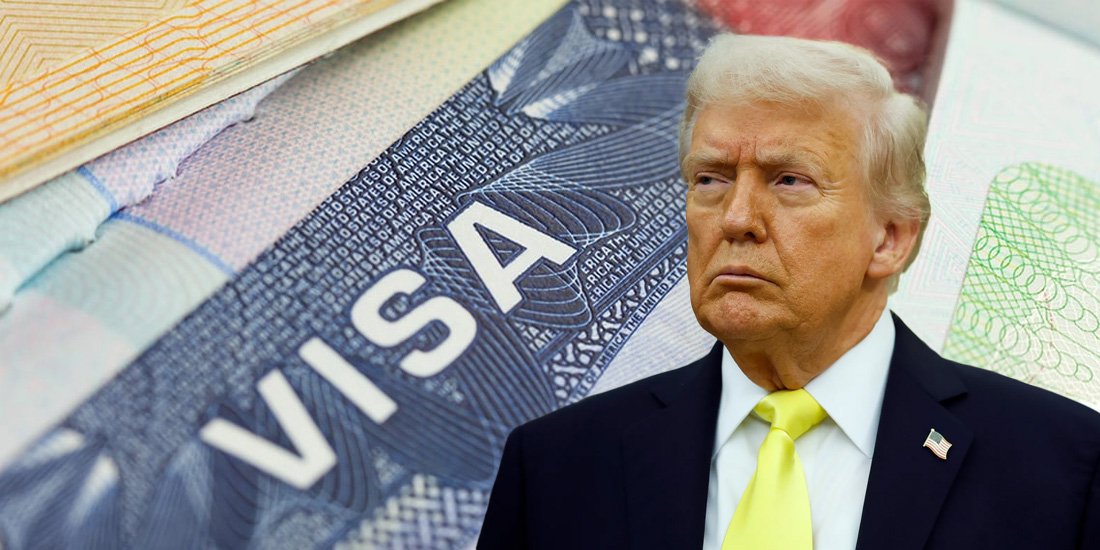
A United States District Court in Manhattan has struck down a Trump administration policy suspending the processing and issuance of immigrant visas to nationals of 75 countries, including Nigeria.
In a ruling delivered on Friday, US District Judge Jeannette Vargas described the State Department directive as unlawful, holding that it exceeded the statutory authority of Secretary of State Marco Rubio.
The policy, which took effect on January 21, suspended immigrant visa processing for nationals of the affected countries on the grounds that they were considered to be at a high risk of becoming a “public charge” by relying on government welfare programmes in the United States.
Countries affected by the policy included Nigeria, Ghana, Cameroon, Liberia, Sierra Leone, South Africa, Kenya, Ethiopia, Egypt, Pakistan, Bangladesh, Afghanistan, Iran, Iraq, Cuba, Haiti, Russia, Somalia, Sudan, Syria, Tanzania, Uganda and Yemen, among others.
The Trump administration had argued that the measure was necessary to prevent immigrants from exploiting US welfare systems and to strengthen screening and vetting procedures.
The State Department had directed US consular missions to suspend the processing of affected immigrant visa applications, including cases in which visas had been authorised for printing but had not yet been issued.
The department said applicants from the affected countries posed a high risk of becoming dependent on local, state and federal government resources.
“Applicants from these countries are at a high risk for becoming a public charge and recourse to local, state and federal government resources in the United States,” the State Department stated in the directive.
Trump had also cited data on welfare dependence among immigrant households, including a claim that about 33.3 per cent of Nigerian immigrant households received some form of public assistance.
The administration’s policy further raised concerns about applicants who were older, overweight or had previously received government cash assistance or been institutionalised.
However, Judge Vargas, an appointee of former President Joe Biden, ruled that the blanket suspension based on nationality conflicted with federal immigration law.
“The policy, which categorically prohibits the issuance of immigrant visas based upon the nationality of the applicant, represents a direct abrogation of this statutory scheme,” Vargas wrote.
The lawsuit was filed by immigrant rights organisations, including the Catholic Legal Immigration Network and African Communities Together, as well as US citizens sponsoring family members and visa applicants from affected countries.
The plaintiffs challenged the administration’s authority to impose the blanket suspension, arguing that it unlawfully interfered with the statutory framework governing immigrant visa processing.
The State Department had defended the policy as part of a broader review of immigration procedures.
Principal Deputy Spokesperson Tommy Pigott said the department was exercising its authority to prevent the entry of immigrants who could become dependent on public benefits.
“The State Department will use its long-standing authority to deem ineligible potential immigrants who would become a public charge in the United States and exploit the generosity of the American people,” Pigott said.
He added that immigration from the affected countries would remain paused while the department reassessed its processing procedures.
The court’s decision now prevents the administration from enforcing the blanket suspension on the basis outlined in the January directive, although the government could appeal the ruling or pursue other immigration measures within the limits of federal law.