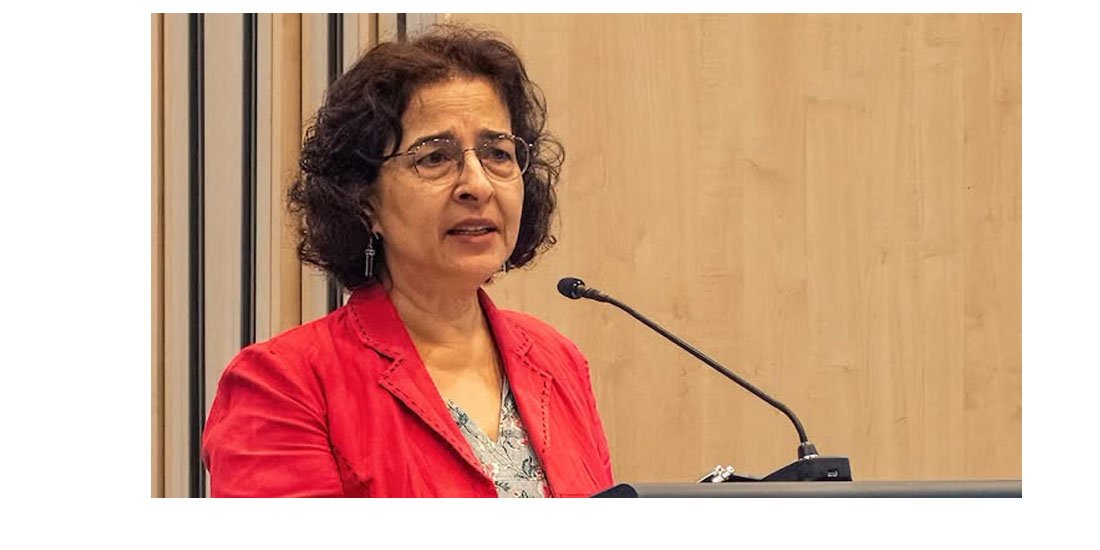
The UN Special Rapporteur on Freedom of Religion or Belief, Nazila Ghanea, has returned from an eleven-day official visit to Nigeria with a troubling assessment of a country where the scale and persistence of violence against communities had left many victims viewing their suffering as systematic persecution and, in the most affected areas, describing their experience in terms of genocide.
Ghanea said that although her mission mandate was freedom of religion and belief, nearly every conversation she held across the country was dominated not by religious practice or community relations but by accounts of destroyed villages, killed relatives, forced displacement, and the devastating collapse of livelihoods. She said the violence had moved well beyond isolated episodes into a structural pattern affecting numerous communities simultaneously with little prospect of accountability for perpetrators.
She described reports of communities entering coerced arrangements with armed groups simply to survive repeated attacks, including surrendering farmland and produce and in some cases accepting conditions that amounted to submitting to armed authority in place of the state. She said the absence of justice for perpetrators had entrenched fear and was contributing to perceptions of state abandonment that weakened public trust in institutions across affected regions.
Ghanea also raised concerns beyond physical security, noting that administrative practices in some parts of the country still required citizens to declare their religion on official forms linked to education, employment, and access to services. She said such requirements reinforced religion as a dominant organizing principle in ways that heightened polarization in a country whose complexity was being oversimplified into a narrative of a Muslim North and Christian South, a characterization she said obscured Nigeria’s rich pluralism and made religious identity more vulnerable to manipulation for political and economic purposes. Her full report will go to the UN Human Rights Council in March 2027.