The works minister says foreign lenders are funding most of the coastal road and explains route changes, construction choices and a crackdown on abandoned projects.
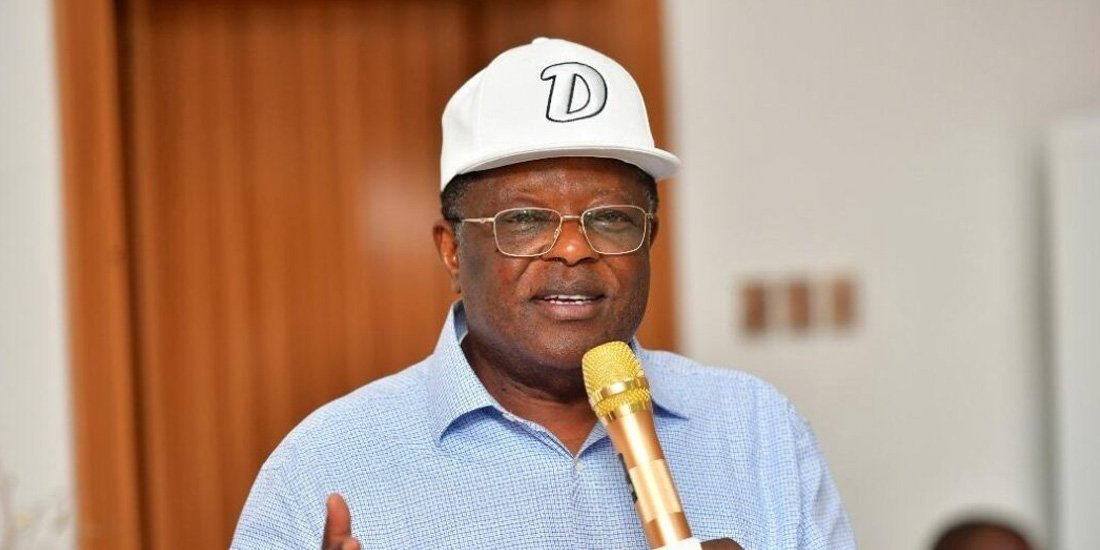
Minister of Works David Umahi has defended the procurement and financing of the Lagos-Calabar Coastal Highway, saying foreign financial institutions are providing about 70 per cent of the funding while the federal government is responsible for roughly 30 per cent.
Speaking at a briefing in Abuja, Umahi argued that the involvement of international lenders brought commercial scrutiny to the project. He also said the use of a special procurement procedure for part of the highway had been reviewed by the Bureau of Public Procurement and approved by the Federal Executive Council. His explanation was a defence of the process; it did not, by itself, amount to an independent audit of the contract.
The minister said the route through parts of Ondo State had been adjusted because of difficult coastal terrain and the threat of sea encroachment. He maintained that engineering conditions, rather than outside pressure, determined whether concrete or asphalt was suitable for a particular road.
Umahi also defended the ministry’s preference for concrete pavement on selected projects, saying durability and local site conditions were central considerations. He rejected suggestions that the government should automatically return to asphalt construction.
Addressing deteriorating highways, including the Asaba-Onitsha corridor, the minister said the ministry had launched an emergency intervention called Operation Rescue to make badly damaged sections usable while longer-term reconstruction continued.
He announced plans to work more closely with the Economic and Financial Crimes Commission, the Independent Corrupt Practices and Other Related Offenses Commission and civil society groups to scrutinize federal road contracts. According to Umahi, contractors who had received public funds but failed to mobilize to site could face investigation and recovery action. Any criminal liability would require due process.
The minister also commented on South-East presidential aspirations, saying he did not support an automatic claim that it was the region’s turn to produce the next president. He described the position as his personal political assessment and said aspirants from the region were entitled to pursue their ambitions.
On his relationship with Federal Capital Territory Minister Nyesom Wike, Umahi said both remained part of the same political arrangement.
The briefing placed the ministry’s immediate emphasis on project financing, engineering choices, road rehabilitation and stronger enforcement of contractors’ obligations.