The United Arab Emirates has announced its withdrawal from the Organisation of Petroleum Exporting Countries and the broader OPEC Plus alliance, effective May 1, 2026, delivering a major institutional blow to the oil exporters’ group and its de facto Saudi Arabian leadership at a moment when the Iran war had already thrown global energy markets into historic disarray.
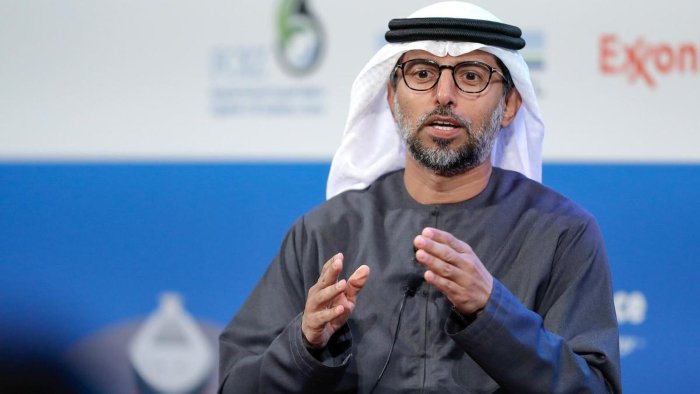
UAE Energy Minister Suhail Mohamed al-Mazrouei confirmed the decision, describing it as a policy-driven conclusion reached after a thorough review of the country’s current and future energy strategies, and confirming that the UAE had not consulted Saudi Arabia or any other country before reaching the decision.
The UAE joined OPEC in 1967 through the Emirate of Abu Dhabi, making the withdrawal the end of nearly six decades of formal membership. The departure follows Angola’s exit from the group in December 2023 over frustrations with production quota allocations, and threatens to create significant disarray within a bloc that has long worked to project unity despite persistent internal disagreements.
In a formal statement, the UAE government described the decision as reflecting its long-term strategic and economic vision, accelerated domestic energy investment, and a commitment to playing a responsible, reliable, and forward-looking role in global energy markets. The country said it would continue bringing production to market gradually and in a measured manner aligned with demand conditions after its exit.
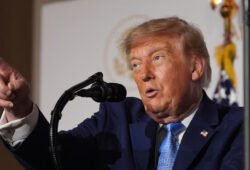
The move represents a meaningful diplomatic win for US President Donald Trump, who had repeatedly accused OPEC of exploiting American military protection of Gulf states to inflate oil prices globally. The UAE exit also came amid mounting frustration in Abu Dhabi over what senior officials publicly described as wholly inadequate political and military support from fellow Arab and Gulf states following multiple Iranian attacks against UAE interests during the conflict.
UAE Presidential Diplomatic Adviser Anwar Gargash was direct in his criticism, stating at the Gulf Influencers Forum that the Gulf Cooperation Council’s response to the Iranian attacks had been historically weak, a failure he said he had not expected from the bloc and which had clearly influenced the UAE’s strategic reassessment.
Mazrouei suggested the immediate market impact of the exit would be limited given the disruption already caused by Iran’s effective closure of the Strait of Hormuz, through which a fifth of the world’s crude oil and liquefied natural gas normally passes. However, analysts noted that the longer-term implications for OPEC’s cohesion and market management credibility were potentially significant and could accelerate further departures.