Policy reforms championed by former Science and Technology minister laid groundwork for GSM expansion and NITDA’s creation
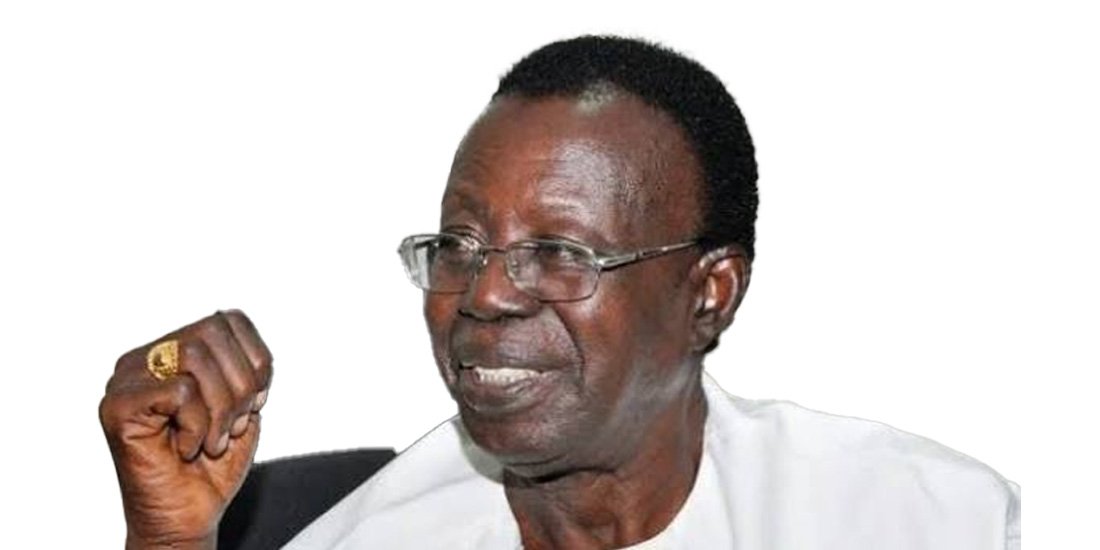
Nigeria has lost a key architect of its digital economy. Turner Timinipre Isoun, who served as Minister of Science and Technology from 2000 to 2007, died earlier this week at the age of 87, according to family statements reported by several Nigerian media outlets.
His death has drawn fresh attention to a chapter of Nigeria’s economic history that rarely gets credit: the policy reforms and institutional groundwork that helped make mobile communication accessible to millions of Nigerians.
A Quiet Architect of Nigeria’s Digital Foundations
The rapid spread of GSM services in the early 2000s is often credited to telecom operators and market liberalisation. But as a senior figure in the Obasanjo administration, Isoun sat at the centre of broader efforts to build Nigeria’s information and communications technology ecosystem.
Chief among his contributions was his role in establishing the National Information Technology Development Agency (NITDA), created to implement Nigeria’s national IT policy and drive digital adoption across the economy. NITDA has since grown into a central pillar of Nigeria’s tech sector, backing digital skills programmes, innovation initiatives, e-government projects, and policies aimed at expanding the digital economy.
Isoun also supported the development of Galaxy Backbone, a government-owned company set up to provide a unified communication platform for public institutions. Together, these initiatives helped create the enabling environment for the explosive growth of mobile telephony, internet access, and digital services that followed.
From Luxury to Lifeline
When GSM licences were first issued in 2001, mobile phones remained a luxury few Nigerians could afford. Within just a few years, the sector had transformed communication, commerce, and access to information nationwide. Today, Nigeria stands as Africa’s largest telecom market, with over 188 million mobile subscriptions supporting a digital economy that spans banking, e-commerce, entertainment, and tech startups.
Economists and industry observers note that the mobile revolution reshaped Nigeria’s economy in fundamental ways — cutting transaction costs, connecting businesses directly to customers, and paving the way for mobile banking and digital payment services.
A Career Rooted in Science
Isoun’s legacy extends beyond telecoms. He also backed broader science and technology initiatives, including Nigeria’s space and satellite programmes, though his ICT contributions remain the most significant given their direct impact on economic growth and daily life.
Born in Odi, Bayelsa State, in 1938, Isoun built a distinguished academic career before entering public service. He earned degrees from Michigan State University and became a professor of veterinary pathology at the University of Ibadan, before going on to serve as the pioneer Vice-Chancellor of Rivers State University of Science and Technology.
Throughout his time in government, Isoun consistently argued that science, technology, and innovation deserved treatment as central drivers of national development — not peripheral policy concerns. That conviction helped shape Nigeria’s ICT policy direction at a pivotal moment in the country’s digital transformation.
A Legacy Nigerians Carry in Their Pockets
Isoun’s death comes as Nigeria once again turns to technology as a pillar of economic growth, with policymakers pushing broadband expansion, digital skills training, and innovation as part of efforts to diversify the economy.
For most Nigerians, though, the clearest evidence of his legacy is far simpler: the mobile phone in their hand — now used for banking, learning, business, and staying connected — is part of a transformation his policies helped set in motion.
Turner Isoun is survived by his wife, children, and grandchildren. Funeral arrangements are expected to be announced by the family