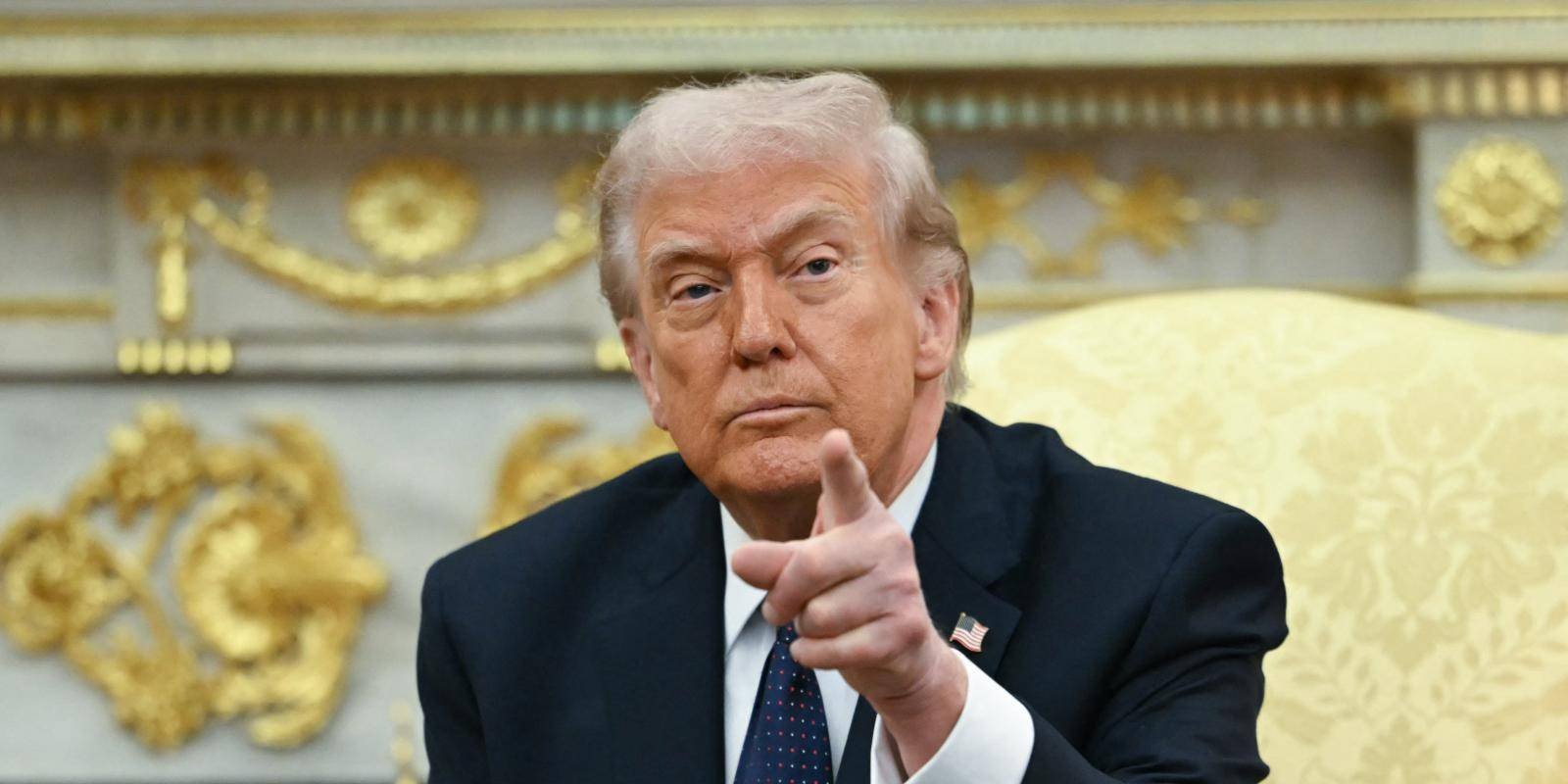
US President Donald Trump has said that a deal with Iran aimed at ending the conflict in the Middle East could be signed on Sunday, adding that the strategic Strait of Hormuz would be “open to all” immediately after the agreement is concluded.
In a post on his Truth Social platform on Saturday, Trump said the agreement was scheduled for signing the following day, expressing optimism that it would bring an end to weeks of escalating tensions and disrupted global shipping routes.
“The Deal is scheduled to get signed tomorrow, and immediately after it is signed, the Hormuz Strait is OPEN TO ALL,” he wrote.
However, Iranian officials offered a more cautious timeline, with Foreign Ministry spokesman Esmaeil Baqaei saying earlier that the date of signing had not yet been finalised, though he acknowledged that an agreement in principle remained possible in the coming days.
Despite the differing accounts, momentum appears to be building around the negotiations, with Pakistan — a key mediator in the talks — saying the deal was closer than ever.
Pakistani Prime Minister Shehbaz Sharif said on social media that finalisation of the agreement was expected within 24 hours, noting that signing could take place electronically, followed by technical-level discussions next week.
The evolving diplomatic push comes amid continued tensions in the Strait of Hormuz, a vital global energy shipping route. Iran has maintained restrictions on movement through the waterway during the conflict, requiring vessels to seek permission for passage and asserting tighter control over maritime traffic.
Tehran has argued that it will retain authority over the strait as part of its national security framework, while the United States has insisted that Iranian control over the passage would be unacceptable.
The US military’s Central Command said Iranian forces had launched multiple one-way drones targeting commercial vessels in the region, adding that US forces intercepted and destroyed them.
Iranian Foreign Minister Abbas Araghchi said in a televised interview that any agreement would require adjustments to how enriched uranium is handled, proposing that it be diluted within Iran. The United States has previously demanded the removal and destruction of Iran’s nuclear stockpile.
Trump, meanwhile, said any final arrangement would include steps to eliminate Iran’s nuclear materials, adding that the US would act to “downblend and destroy” them once conditions stabilise.
He also suggested that Washington would retain the option of further action if the agreement fails to hold.
Israeli Prime Minister Benjamin Netanyahu, a close US ally, has reportedly been assured that any deal would address Iran’s nuclear programme, including its enriched uranium stockpile.
Despite diplomatic optimism, reactions within Iran have been mixed, with some citizens expressing doubt that a final agreement will be reached soon. Reports from Iranian media also indicated protests in parts of the country opposing the terms under discussion.
As negotiations continue, uncertainty remains over the exact terms of the deal and whether it will succeed in easing tensions in one of the world’s most volatile regions.