U.S. President Donald Trump has announced that a proposed agreement with Iran is “largely negotiated,” with discussions now focused on final details, including a provision to reopen the strategically vital Strait of Hormuz.
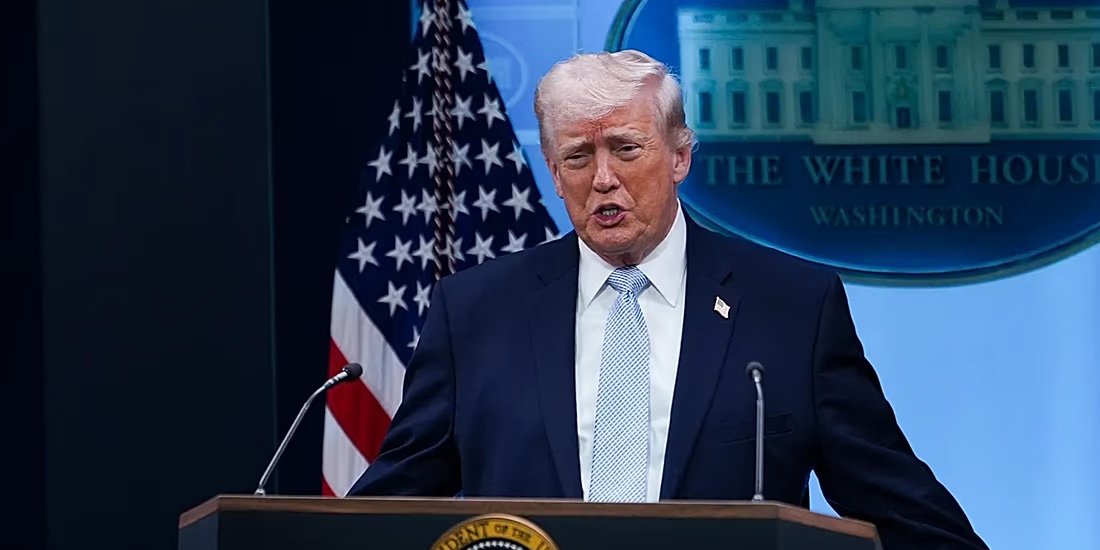
In a statement posted on Truth Social on Saturday, Trump said the deal involves the United States, Iran, and several regional partners, with mediation support from countries such as Pakistan and Turkey.
“An agreement has been largely negotiated, subject to finalization,” Trump said, adding that reopening the Strait of Hormuz—a key global oil transit route—would form part of the arrangement.
According to the U.S. leader, several Middle East nations, including Saudi Arabia, the United Arab Emirates, Qatar, Egypt, Jordan, and Bahrain, participated in a high-level call to discuss the proposed deal. He also confirmed holding separate talks with Israeli Prime Minister Benjamin Netanyahu, which he described as productive.
“Final aspects and details of the deal are currently being discussed, and will be announced shortly,” Trump noted.
However, Iranian officials have struck a more cautious tone, indicating that significant differences remain between the two sides. Tehran has suggested that its nuclear programme will not be included in the initial phase of discussions and is instead working on a 14-point framework agreement.
Foreign ministry spokesman Esmaeil Baqaei acknowledged a “trend towards rapprochement” but stressed that it does not guarantee a final agreement on key issues. He said the proposed framework could serve as a basis for further negotiations, which may take between 30 and 60 days to conclude after its completion.
Meanwhile, Iran’s chief negotiator, Mohammad Bagher Ghalibaf, issued a warning against renewed conflict, saying the country would respond strongly to any escalation. His comments followed reports of potential new military strikes and ongoing tensions between Washington and Tehran.
The negotiations come after weeks of conflict that disrupted shipping through the Strait of Hormuz, a critical route for global oil supplies. Despite progress in talks, full access to the waterway has yet to be restored.
Diplomatic efforts to ease tensions have intensified, with Iran engaging in discussions with regional partners, including Turkey, Iraq, Qatar, and Oman, while Gulf leaders continue consultations aimed at stabilising the situation.
Despite signs of progress, uncertainty remains on the ground, with residents in Iran expressing concern over the fragile state of peace and the possibility of renewed hostilities.
The outcome of the negotiations is expected to have significant implications for regional stability and global energy markets, as stakeholders await further details on the final agreement.