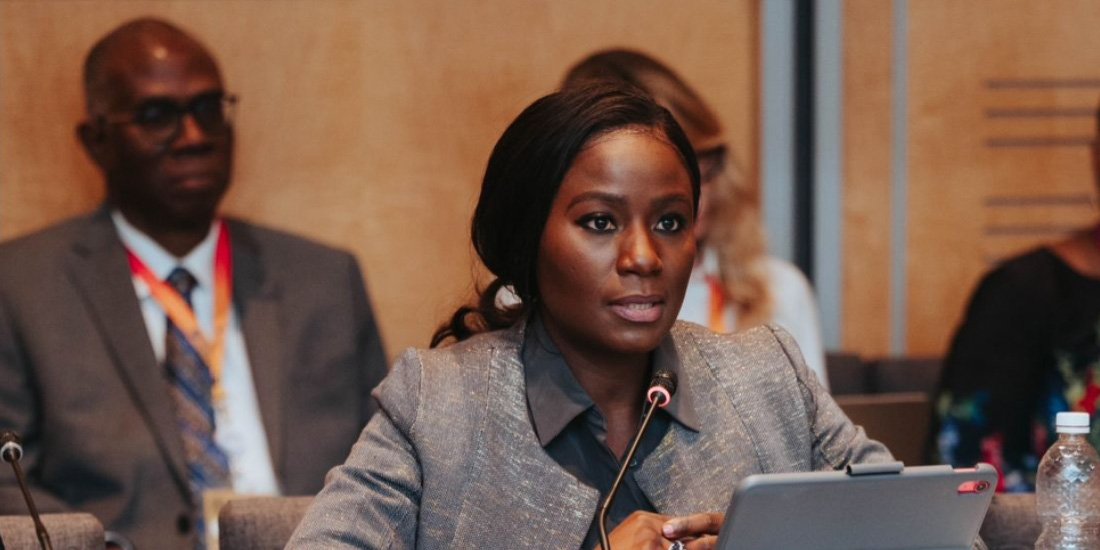
Nigeria’s share of African upstream final investment decisions rose from approximately 4 percent in 2023 to roughly 40 percent in 2025 as a direct result of the Tinubu administration’s oil and gas sector reforms, the Special Adviser to the President on Energy, Olubukola Arowolo Verheijen, disclosed at the Nigerian-British Chamber of Commerce Energy Day in Lagos.
Verheijen said the reforms had positioned gas as the foundational fuel for Nigeria’s industrialization rather than treating it merely as a transitional energy source, saying the country’s 215 trillion cubic feet of proven gas reserves were being harnessed to power electricity generation, fertilizer production, petrochemical manufacturing, clean cooking, CNG transport, and industrial exports. She said the goal was not simply to produce more gas but to ensure it powered Nigerian products, created Nigerian jobs, and generated Nigerian exports.
She said the government’s bond instruments to clear power sector debts were not a bailout but a strategic reset that had restored liquidity and investor confidence to a sector that had been starved of capital. She said the national metering rate had risen to approximately 57 percent with hundreds of thousands of new meters deployed annually, and that cost-reflective tariffs now applied to about 45 percent of the electricity market with tariffs linked to service quality rather than applied uniformly.
Renaissance Africa Energy Company representative Emeka Morah said Nigeria needed its domestic gas to fuel industrial development, while Aradel Holdings Managing Director Adegbite Falade said energy development in Nigeria had to move beyond extraction toward domestic value creation, power availability, technology transfer, and national prosperity if the country was to build a genuinely diversified economy.