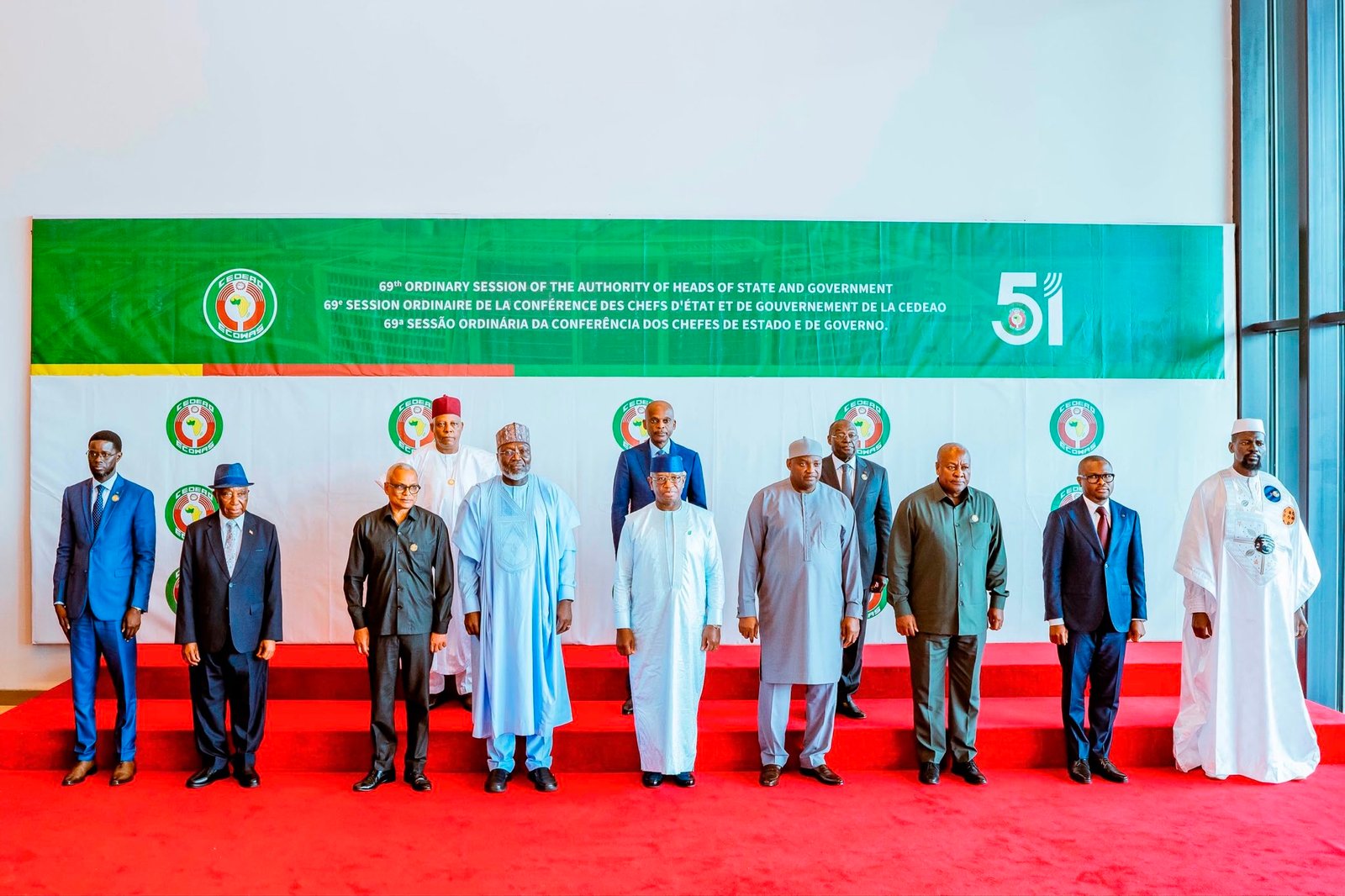
President Bola Ahmed Tinubu has called on member states of the Economic Community of West African States (ECOWAS) to adopt a united position in condemning the ongoing xenophobic attacks against Nigerians and other African nationals in South Africa.
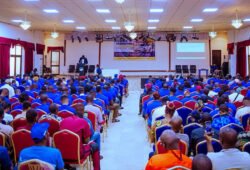
Speaking through Vice President Kashim Shettima at the 69th Ordinary Session of the ECOWAS Authority of Heads of State and Government in Freetown, Sierra Leone, on Sunday, Tinubu said a collective condemnation by African leaders would send a strong message that such acts of intolerance have no place on the continent.
The President disclosed that Nigeria had already evacuated more than 1,490 of its citizens from South Africa in seven batches following the attacks and remained prepared to take further measures to protect its nationals.
“Nigeria condemns, in the strongest terms, the recent attacks on its citizens and other Africans in the Republic of South Africa,” Tinubu said.
He urged ECOWAS to table the issue before the next session of the African Union Assembly of Heads of State and Government, stressing that South Africa should be reminded of the sacrifices made by African countries, including Nigeria, during the struggle against apartheid.
“This would send a clear message that this type of intolerance is totally unacceptable under any guise. South Africa should be reminded that the freedom it currently enjoys is the result of the sacrifices and liberation efforts of African countries, including Nigeria,” he stated.
Tinubu also reaffirmed Nigeria’s commitment to the newly developed ECOWAS Compact for the Future of Regional Integration, describing it as a major milestone that reflects the region’s determination to strengthen solidarity, rebuild trust in public institutions and deepen cooperation among member states.
He said the compact would promote regional unity, peace, economic integration and democratic governance while helping to build a more resilient, prosperous and people-centred West Africa.
According to the President, Nigeria remains committed to implementing the compact’s six strategic pillars and will continue to work closely with member states to ensure its success.
On security, Tinubu called for stronger regional collaboration against terrorism, insecurity and unconstitutional changes of government. He reiterated Nigeria’s support for the establishment of the ECOWAS Counter-Terrorism Force and the strengthening of the ECOWAS Standby Force to improve intelligence sharing, joint security operations and preventive diplomacy.
He also reaffirmed Nigeria’s commitment to removing trade barriers, improving cross-border infrastructure and facilitating the free movement of people, goods and services across the region to boost economic growth and investment.
Highlighting the role of technology in regional development, Tinubu welcomed the compact’s emphasis on science, innovation and digital transformation, noting that initiatives such as a Digital Single Market, artificial intelligence frameworks, cybersecurity cooperation and digital infrastructure would enhance entrepreneurship, financial inclusion, education and job creation, particularly for young people.
The President also reiterated Nigeria’s commitment to promoting gender equality, expanding opportunities for women in leadership, investing in youth development and supporting entrepreneurship across West Africa.
Earlier, Sierra Leone’s President and Chairman of ECOWAS, Julius Maada Bio, said the summit was convened to review the regional bloc’s progress and chart a new course for the future.
He described the ECOWAS Vision 2050 as a roadmap for building a peaceful, integrated and prosperous region but stressed the need for member states to adapt to changing global realities through stronger regional cooperation.
Bio warned that climate change, geopolitical tensions and global supply disruptions continue to pose significant challenges to West Africa, making regional integration more important than ever.
Also addressing the summit, United Nations Deputy Secretary-General Amina Mohammed reaffirmed the UN’s support for ECOWAS and Sahel countries in combating terrorism and other transnational threats.
She called on the United Nations Security Council to support African-led solutions to the continent’s security challenges.
President of the ECOWAS Commission, Omar Alieu Touray, also pledged to strengthen governance, accountability and policy coordination among member states while enhancing regional responses to terrorism, organised crime, climate-related security threats and humanitarian crises.
A major highlight of the summit was the signing of the Intergovernmental Agreement for the African Atlantic Gas Pipeline (AAGP) project, aimed at strengthening regional energy cooperation and economic integration.