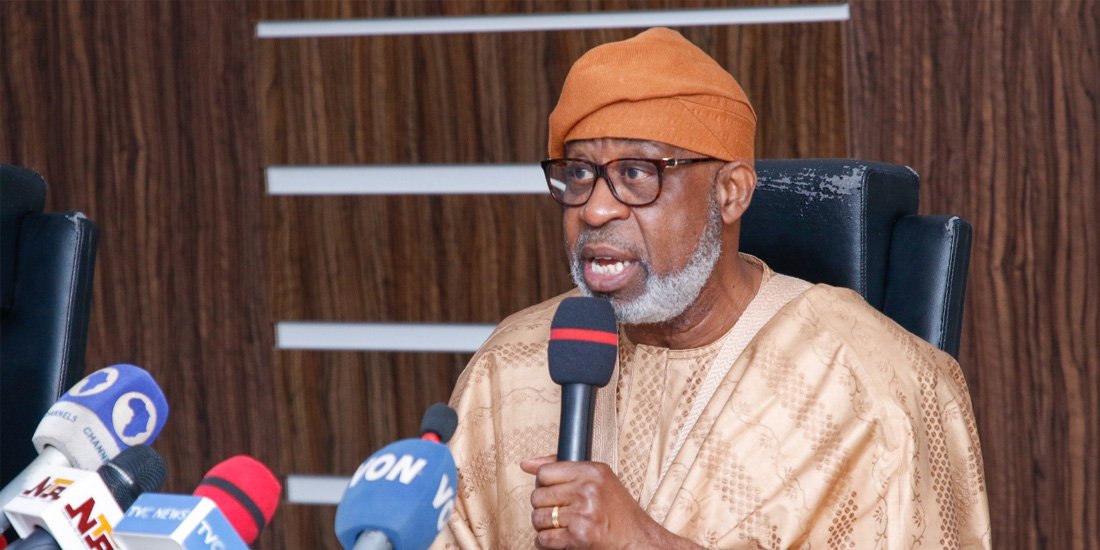
President Bola Tinubu put his re-election prospects on the line by introducing tough economic reforms aimed at restructuring Nigeria’s badly damaged economy, the Minister of Solid Minerals Development, Dele Alake, has said. Speaking during an interactive session with journalists in Abuja, Alake, who also serves as the spokesperson for the All Progressives Congress Presidential Campaign Council for the 2027 election, explained that past administrations recognized the necessity of these measures but avoided them out of fear of electoral backlash. He emphasized that the president chose to take bold steps to rescue the country from decades of policy inconsistencies rather than kicking the economic crisis down the road.
Alake acknowledged that while the policies have caused short-term hardships, they were essential to prevent a deeper economic collapse. He specifically defended the removal of the petrol subsidy, arguing that the primary beneficiaries of the old system were fuel cartels and wealthy individuals rather than ordinary Nigerians. According to him, subsidizing fuel heavily favored affluent households with multiple vehicles over poorer citizens without cars. He added that intense opposition to the policy was expected because those who profited from the former arrangement were naturally bound to fight back.
Rejecting calls for the government to roll back its economic policies, the minister insisted that Nigeria requires stability and long-term consistency rather than another economic reset. He pointed to Lagos State under Tinubu’s tenure as governor in 1999 as a blueprint for success. At that time, the state generated N600 million monthly in internally generated revenue against a civil service wage bill exceeding N1 billion. Through measures such as payroll biometrics and computerization, the state eliminated ghost workers, saving N350 million in its first month and eventually transforming Lagos into an economic powerhouse.
Dismissing claims that ordinary citizens have not benefited from the current administration’s direction, Alake highlighted initiatives like the student loan scheme, which eases the financial burden of tertiary education for families. Addressing recent controversies regarding the APC’s campaign council structure, he dismissed the matter as an internal party issue. He urged the media to direct public focus toward the party’s manifesto, policy projections, and core campaign messaging rather than internal political organization.