Minister of Education Dr. Tunji Alausa has declared that President Bola Tinubu’s 2023 campaign promise that four-year courses would remain uninterrupted by nationwide university strikes had held true three years into the administration, citing billions of naira in education investments and the sustained opening of federal universities as evidence of a government making good on its commitments to students.
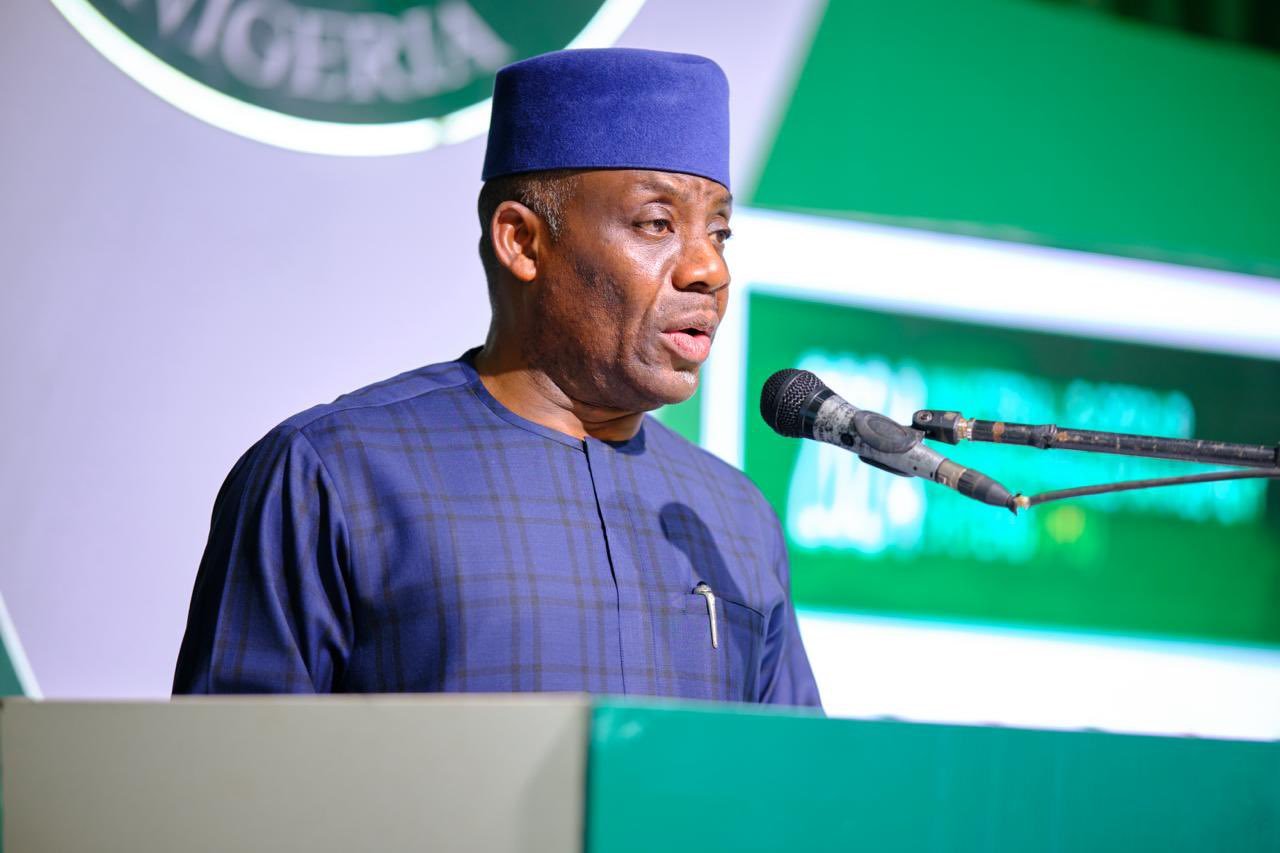
Speaking at a panel discussion titled “Renewed Hope Conversations” at the Yakubu Gowon University, formerly University of Abuja, Alausa told students that the data supported the administration’s claim of progress, noting that no major nationwide Academic Staff Union of Universities strike had occurred since Tinubu assumed office on May 29, 2023, following an eight-month shutdown that had ended in October 2022 under the previous administration.
He disclosed that spending on education infrastructure had run into hundreds of billions of naira, with N160 billion spent on building hostels nationwide, N100 billion approved for additional infrastructure, and N50 billion committed this year alone for the rehabilitation of ICT centres, alongside the establishment of millions of entrepreneurial studies for innovation across campuses.
“Most federal universities are in session today. For students admitted in September 2023, graduation remains on track for 2027 if calendars hold. This is an administration that has provided a loan fund to make schooling easier for students and today no student can claim that he is out of school due to lack of resources,” he said.
He cited the Nigerian Education Loan Fund as a landmark programme, noting that by February 2026 the fund had recorded over 1.7 million student registrations, with more than 600,000 loans approved and N104 billion released for tuition and stipends.
Minister of Arts, Culture, Tourism and the Creative Economy, Hannatu Musa Musawa, said another reason to consider Tinubu for a second term was the need to preserve momentum in the government’s framing of its economic agenda as a deliberate break from past policies. She described the ministry she led as the first of its kind in Nigeria, created to give formal structure to sectors like music, film, fashion, and digital content that had grown organically without government support.
“Nigeria kept doing the same thing over and over and expecting different results. This administration chose a different route to secure our rightful position on the committee of nations,” she said, noting that the goal was to help creators protect intellectual property, access incentives, and monetise content without requiring personal connections or prior industry relationships.
The Minister of Urban Development used his personal experience to argue that the current administration was an open government accessible to Nigerians without political connections, stating that the president had appointed him without ever meeting him or receiving any form of lobbying.