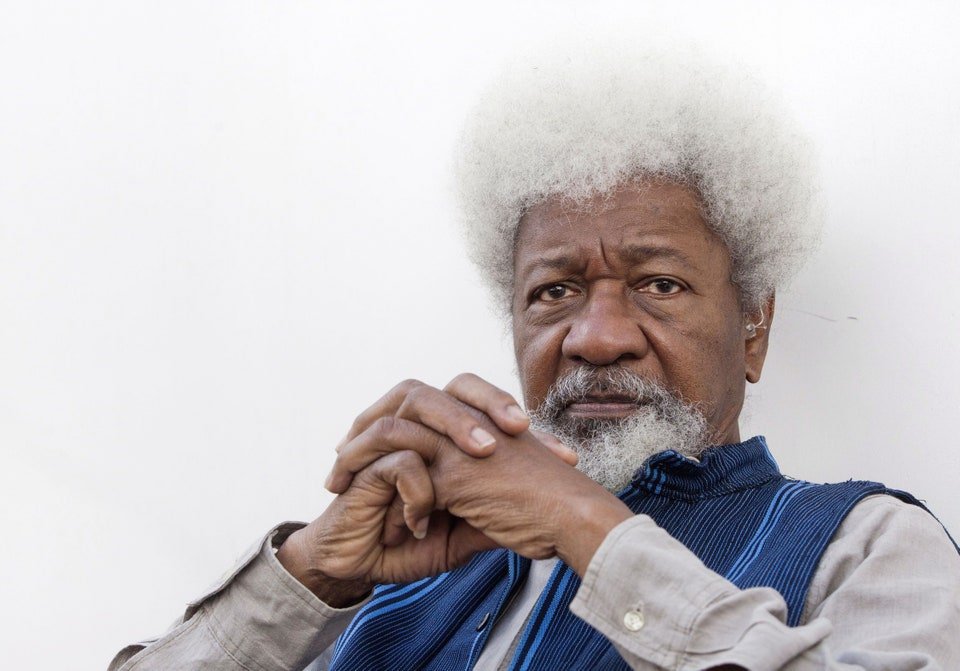
The 17th edition of the Wole Soyinka International Cultural Exchange will take place across Lagos and London in July 2026, marking Nobel Laureate Professor Wole Soyinka’s 92nd birthday with a program of literary, cultural, and intellectual engagements under the theme Culture Beyond Borders, as organizers described the event as both a celebration of Africa’s foremost living man of letters and a serious conversation about the forces reshaping cultural identity in an era of globalization, migration, and artificial intelligence.
The Lagos leg of the program runs from July 13 to 14, with London activities scheduled for July 17 to 18 in collaboration with The Africa Centre and several educational and community partners. Organizers said the sub-theme Rooted, Yet Not Restricted was chosen to capture the central tension the exchange would explore, between the essential human need to be grounded in cultural heritage and the equally compelling reality that culture has always moved, adapted, and crossed boundaries.
The 2026 program will feature international cultural roundtables, youth leadership and identity workshops, theatre productions, literary conversations, spoken word performances, music showcases, visual arts exhibitions, academic exchanges, and diaspora heritage dialogues. The London component will place particular emphasis on young people and their role in preserving cultural identity in a world where technology and mobility were simultaneously expanding human connection and fragmenting traditional community bonds.
Organizers described development as incomplete when measured solely by economic growth or technological advancement without reference to cultural preservation and historical memory, saying that without memory, progress loses direction, and that without culture, development risked becoming merely efficient displacement. They invited participants from Nigeria, the United Kingdom, and the wider African diaspora to engage with questions about what it meant to carry a culture across borders and what responsibilities that carrying entailed for those who did it.