The director-general of the Standards Organization of Nigeria has warned that the federal government’s industrial competitiveness agenda cannot be realized without a robust national measurement infrastructure, arguing that accurate metrology had become a strategic economic instrument rather than a purely technical function.
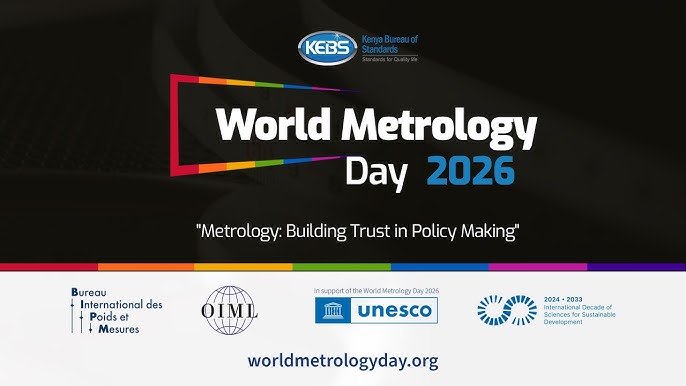
Speaking at the 2026 World Metrology Day celebration in Abuja under the theme “Metrology: Building Trust in Policy Making,” the SON chief executive stated that Nigerian products and services must meet internationally accepted standards and measurement requirements if the country was to achieve sustainable industrialization and global competitiveness under the government’s Nigeria First policy.
He argued that measurement influenced virtually every sector of the economy, from fuel dispensing and food safety to healthcare diagnostics, industrial manufacturing, environmental monitoring, and digital technologies. Weak confidence in measurement systems, he said, could erode public trust in institutions broadly, undermining economic growth and regulatory effectiveness simultaneously.
He challenged manufacturers and businesses to invest more heavily in calibration systems, conformity assessment procedures, and quality control mechanisms, arguing that such investments would improve productivity, reduce waste, and enhance the global competitiveness of Nigerian goods. He added that evidence-based policymaking could only function where data and measurements were accurate, reliable, and independently verifiable.
The Standards Council chairman reinforced these points, describing metrology as central to national development and arguing that policies across healthcare, agriculture, manufacturing, telecommunications, trade, and environmental management could only deliver measurable outcomes when built on dependable measurement foundations. He said the council would continue supporting investments in laboratory development, technical infrastructure, and human capacity to align Nigeria’s quality ecosystem with global best practices.