
The Senate subjected the Central Bank of Nigeria to intense scrutiny over monetary policy, banking recapitalization, inflation and foreign exchange reforms, insisting that the benefits of recent reforms must translate into more credit for productive sectors rather than simply larger bank balance sheets.
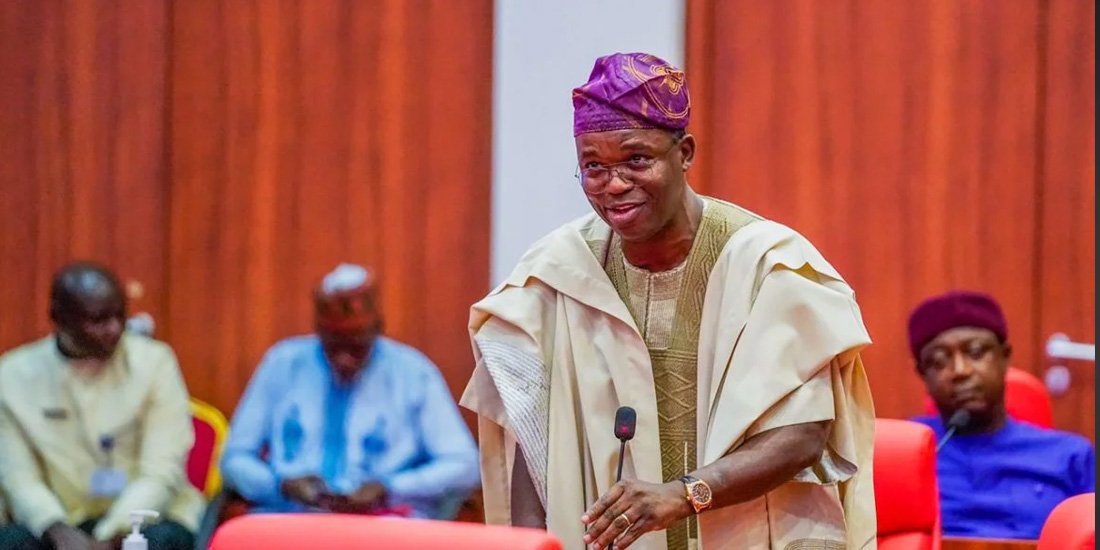
At a statutory oversight session of the Senate Committee on Banking, Insurance and Other Financial Institutions, chaired by Senator Mukhail Adetokunbo Abiru, lawmakers questioned the status of banks yet to meet new capital requirements, complaints over bank charges and failed transactions, and a sharp rise in the central bank’s liquidity operations. Abiru acknowledged the economy has shown resilience but said recent improvements in macroeconomic indicators must begin to reach the real economy, warning that recapitalization should not become an end in itself and that stronger banks must channel more affordable credit to agriculture, manufacturing and small businesses rather than concentrating funds in low risk instruments.
He also sought clarity on reports that the central bank’s outstanding market instruments used to manage liquidity had risen sharply between 2024 and 2025, saying the Senate’s constitutional responsibility requires it to examine issues affecting financial sector resilience.
Central Bank Governor Olayemi Cardoso, appearing with all four deputy governors, said reforms over the past three years have restored macroeconomic stability and strengthened investor confidence despite global uncertainty. He said inflation resumed its downward path after a temporary rise linked to Middle East tensions, falling to 15.91 percent in June, and that the average exchange rate appreciated to about 1,375 naira to the dollar in the first half of the year, with diaspora remittances through official channels climbing toward a target of one billion dollars monthly. He said external reserves had reached 52.73 billion dollars as of July 9, 2026.
On recapitalization, Cardoso described the exercise as one of the most successful in the country’s financial history, with banks raising 4.65 trillion naira in fresh capital and 33 banks already meeting the new requirements, while discussions continue with the remaining institutions. He said the focus has now shifted to ensuring stronger capital translates into better governance, risk management and support for productive economic activity, pointing also to improvements in Nigeria’s sovereign credit ratings and progress on a new national payments strategy.
Separately, the Senate moved to compel the Nigerian National Petroleum Company Limited and about 40 other ministries, departments and agencies to appear before its Finance Committee over alleged failure to account for public revenue and repeated refusal to honor legislative invitations. Committee Chairman Sani Musa accused several revenue generating agencies of violating fiscal responsibility laws by retaining most of their collected revenue instead of remitting it as required, alleging some agencies have withheld government funds since 2020. Senate President Godswill Akpabio backed the move, rejecting claims that Senate committees lack the constitutional power to summon agencies and warning that continued non compliance would attract sanctions. The list of agencies facing summons includes the central bank, the national oil company, aviation and maritime regulators, and several other federal bodies.