The Senate has approved another extension of the implementation period for the capital component of Nigeria’s 2025 budget, moving the deadline from September 30 to December 31, 2026.
The latest decision marks the fourth extension of the capital budget and gives federal ministries, departments and agencies an additional three months to complete eligible projects and process outstanding payments.
The extension followed the passage of an amendment to the 2025 appropriation legislation after the bill went through second and third readings.
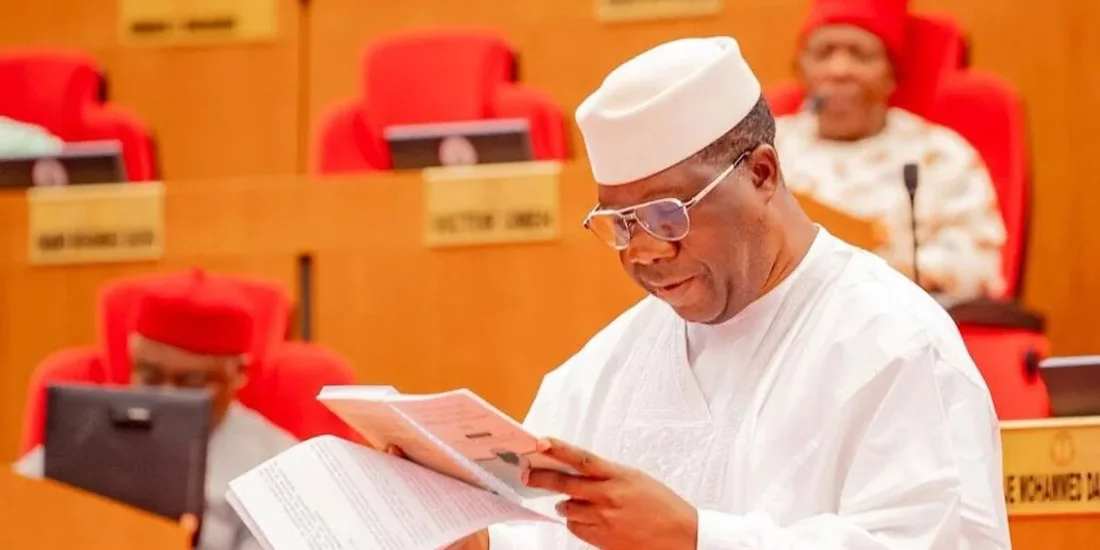
Senate Leader Opeyemi Bamidele said the extension became necessary because several capital projects remained at different stages of execution while portions of released funds had yet to be utilized.
He explained that capital projects involved procurement, mobilization, execution, certification and payment processes that could extend beyond the original implementation period.
According to Bamidele, allowing the September 30 deadline to expire could disrupt projects already at advanced stages.
He stressed that the extension did not amount to a fresh appropriation and warned ministries and agencies that the additional period should not be interpreted as a relaxation of fiscal responsibility or accountability requirements.
All expenditure, he said, must continue to comply with procurement regulations and other applicable laws.
Senate Chief Whip Tahir Monguno, however, blamed persistent delays partly on the centralized payment system operated through the Office of the Accountant General of the Federation.
He called on the Executive to review the system, warning that failure to address the problem could result in repeated extensions of budget implementation.
Senate President Godswill Akpabio also defended the extension, arguing that allowing the capital budget to expire while contractors remained unpaid or projects unfinished could contribute to the proliferation of abandoned projects across the country.
He urged the Federal Government to use the additional three months to clear outstanding obligations and accelerate completion of ongoing projects.
In a related development, President Bola Tinubu has transmitted the Niger Delta Development Commission’s proposed 2026 statutory budget to the Senate for consideration and approval.
In a letter read on the Senate floor, Tinubu said the proposal reflected the NDDC’s revenue and expenditure priorities and was aligned with the Federal Government’s broader fiscal and development objectives.
The President identified youth empowerment, power and energy, education, enterprise development, healthcare, security and agricultural productivity among the priority areas. Akpabio subsequently referred the proposal to the Senate Committee on the Niger Delta Development Commission and directed it to report back within four weeks