The Senate Public Accounts Committee has given the external auditors of NNPC Limited one week to produce a full breakdown of more than N210 trillion recorded as receivables and payables in the company’s audited financial statements, insisting the auditors, not NNPC, must defend the figures they personally certified.
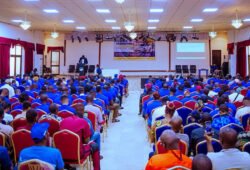
Committee Chairman Ibrahim Dankwambo ruled that the auditors must produce the schedules, working papers and supporting documentation behind the accounts, rejecting their attempt to defer responsibility to NNPC after having already signed off on the statements. The disputed figures split roughly into N107 trillion in receivables and N103 trillion in payables. The hearing turned tense after audit firm representatives told lawmakers the detailed schedules requested formed part of their working papers and would take about two weeks to retrieve, a timeline the committee flatly rejected. When you have figures in the financial statements, there must be supporting schedules showing how those figures were arrived at, Dankwambo said, if you already have them in your working papers, why do you need to go back before presenting them to this committee. The auditors argued NNPC remained their client and that explanations for the entries should properly come from the company, recalling an earlier committee appearance where it was agreed NNPC officials would explain the figures, a position lawmakers rejected outright, insisting the auditors appeared before the Senate in their own independent professional capacity and were obligated to defend the audit opinions they had issued.
Senator Abdul Ningi cited Sections 88 and 89 of the 1999 Constitution, arguing the National Assembly holds extensive investigative power to summon individuals and compel document production relevant to its inquiries. The Constitution empowers this committee to invite any person and request any document necessary for our investigation, he said, you are before this committee as independent auditors, do not tell us you must first seek permission from your client before complying with the lawful request of Parliament. Senator Adams Oshiomhole reminded the auditors that the controversy stems directly from work they themselves performed. The alarms were raised because of the work you people performed, he said, these figures came from your audit, therefore, you cannot tell this committee that you must consult your principal before responding, you are responsible for your audit work and must answer questions arising from it. Another lawmaker warned that the inability to produce supporting schedules casts doubt on whether the audit work was genuinely done at all, since the documentation should already exist if it was, suggesting 48 hours ought to be sufficient, certainly not an indefinite period.
The committee also faulted both NNPC and its auditors for failing to reconcile the receivables and payables despite repeated claims that the figures relate largely to joint venture cash calls and payments. Dankwambo argued that if both entries relate to the same transactions, the company should be able to identify the specific counterparties involved and reconcile them accordingly, and that the inability to do so is precisely why the committee considers the combined N210 trillion unexplained. We are not saying the money is missing, he said, we are saying the figures remain unexplained, for amounts of this magnitude to remain unreconciled in audited financial statements is deeply concerning. Lawmakers also dismissed the auditors’ reliance on confidentiality obligations, with Oshiomhole arguing NNPC, being wholly government owned on behalf of Nigerians, cannot invoke commercial secrecy to withhold information from Parliament during a constitutional investigation. NNPC is not a private family business, he said, it belongs to the Nigerian people, we represent those people, and we are entitled to know how every kobo is accounted for, there can be no secrecy between an auditor and a wholly government owned company when Parliament is carrying out a constitutional investigation. Senator Babangida Useni added that professional ethics and confidentiality agreements cannot override the National Assembly’s constitutional investigative powers, and that the committee’s Standing Orders empower it to summon any person and scrutinise the accounts of government owned corporations. Dankwambo, drawing on international precedent, cautioned the auditors against failing to defend statements they had certified, invoking the collapse of Arthur Andersen after the Enron scandal as a reminder of what audit failures can cost a firm’s reputation, before discharging the auditors and ordering them to return within one week with a comprehensive schedule identifying every component of the disputed figures, their supporting documentation, and the basis on which they were certified, reiterating that the Senate has never alleged any money is missing, only that the figures remain unexplained.