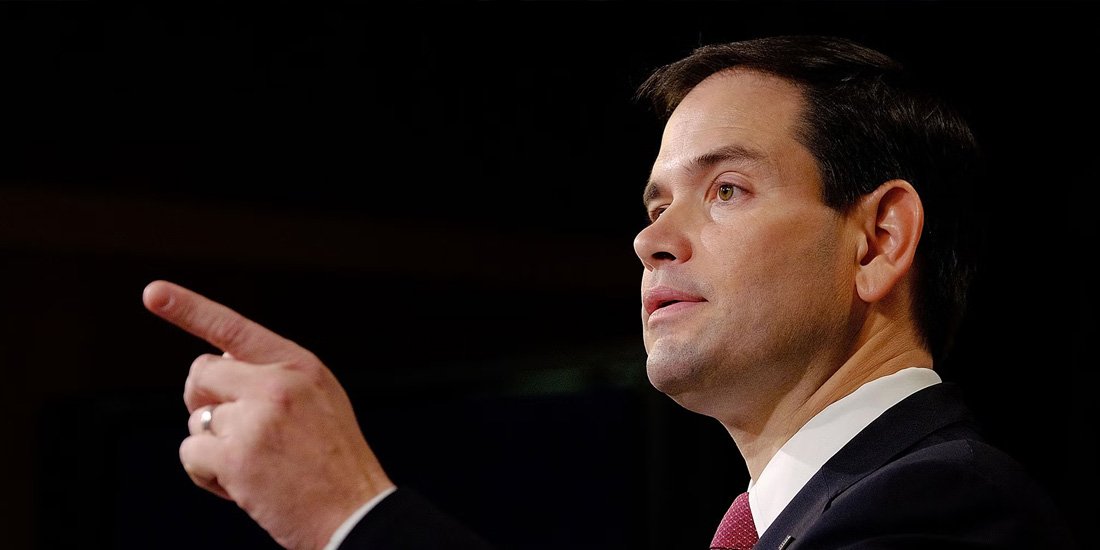
Secretary of State Marco Rubio said the United States is now working directly with Nigeria’s government and security forces on counterterrorism, framing the partnership as a response to long running concerns about violence against Christians in Africa’s most populous nation.
“On Nigeria, where many were very concerned about violence against Christians, we are now actively in counterterrorism cooperation with the Nigerian government and Nigerian security forces,” Rubio told lawmakers, describing the engagement as ongoing.
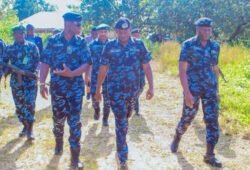
Rubio made the remarks during testimony before the Senate Foreign Relations Committee on the State Department’s fiscal year 2027 budget request. He cited a recent joint US, Nigerian operation that he said killed the second-in-command of global ISIS while the figure was operating from inside Nigeria, and said the cooperation is continuing.
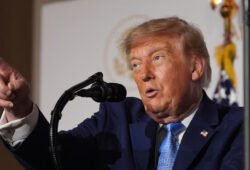
The comments mark a notable shift in tone. In recent months, Washington had escalated pressure on Abuja over the treatment of Christian communities, with the administration announcing visa restrictions tied to religious-freedom violations and President Donald Trump publicly threatening action over the killings. On Christmas Day, US forces carried out an airstrike against ISIS targets in northwestern Nigeria, an operation Washington said was coordinated with Nigerian authorities.
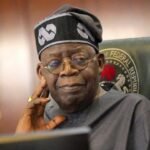
Nigerian officials have welcomed the security partnership while emphasizing that operations remain Nigerian led and respect the country’s sovereignty. President Bola Tinubu has described the alliance with the United States as strategic and focused on protecting vulnerable communities, and the Nigerian military has said it provided key intelligence for recent strikes.
The framing of the violence remains contested. While Islamist groups such as Boko Haram and the Islamic State West Africa Province have carried out attacks on Christian communities, analysts and Nigerian officials caution that the bloodshed is more complex than a single religious narrative suggests. Much of the violence in Nigeria’s Middle Belt stems from clashes involving armed Fulani herders and farming communities, and terrorist attacks have also killed large numbers of Muslims. Abuja has pushed back on characterizations of Nigeria as a country that suppresses religious freedom.
Several U.S. lawmakers, including members of Congress who have pressed for action over alleged persecution of Christians, have urged the administration to extract “tangible steps” from the Nigerian government in exchange for deeper cooperation. Rubio’s testimony suggests the administration is now positioning that cooperation as a working partnership rather than a point of confrontation.