
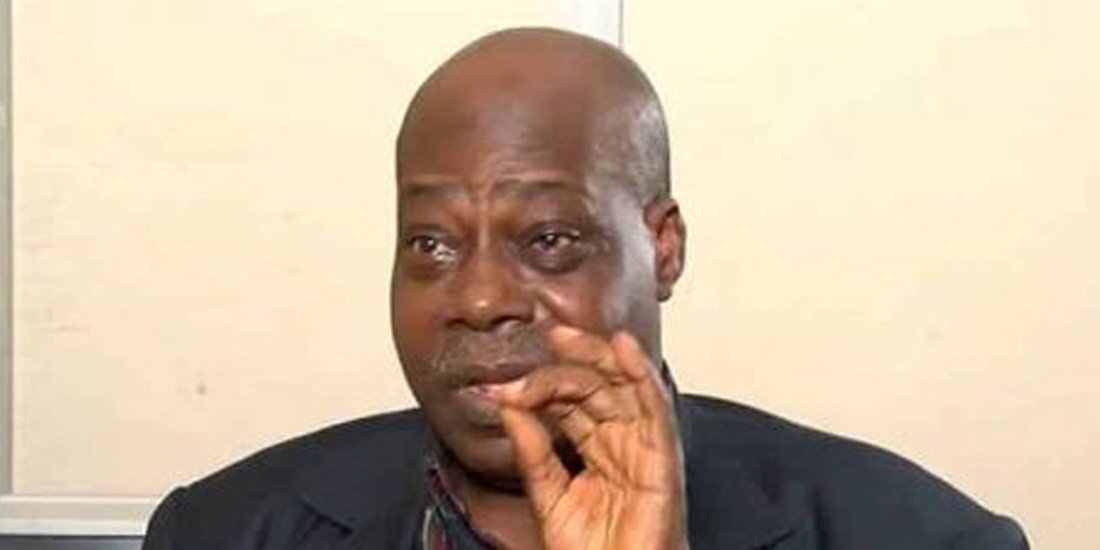
Veteran journalist Ray Ekpu has rejected former military president Ibrahim Babangida’s explanation for why his administration did not resolve the assassination of Newswatch founding editor Dele Giwa, renewing calls for a full account of the circumstances surrounding the journalist’s death.
Giwa was killed by a parcel bomb on October 19, 1986, in one of Nigeria’s most widely discussed unresolved attacks on a journalist. Ekpu, a former Newswatch colleague, responded in an article titled “Dele Giwa’s Assassination: More Questions Than Answers (2)” to comments attributed to Babangida’s autobiography, A Journey in Service.
According to Ekpu, the former military leader suggested that political controversy surrounding the killing complicated the investigation and dismissed suggestions that the parcel could have originated from government circles. Ekpu said that explanation failed to address longstanding questions about the handling of the case.
He recalled correspondence that Giwa had reportedly received from the military presidency and argued that the parcel’s addressing instructions raised questions requiring proper investigation. Ekpu also revisited accounts of security questioning before the assassination and allegations that investigators were prevented from interviewing certain officials.
Among the matters he cited were claims concerning telephone surveillance, contact between a military intelligence official and Giwa’s family, the conduct of investigators and efforts by lawyer Gani Fawehinmi to pursue legal proceedings. These remain allegations and historical accounts attributed to Ekpu, not findings of criminal responsibility.
Ekpu questioned why officials who had been mentioned in connection with the investigation did not provide fuller public explanations. He also referred to proceedings before the Oputa human rights panel and the legal disputes that followed.
More than four decades after Giwa’s death, the case continues to symbolize unresolved questions about press freedom, official accountability and the protection of journalists. Ekpu’s latest intervention calls attention to the need to distinguish established facts from allegations that have never been conclusively adjudicated.