Global oil prices surged to their highest level since 2022 on Thursday, briefly crossing $126 per barrel, as geopolitical tensions escalated following reports that the United States is weighing new military options against Iran.
Brent crude climbed by nearly seven per cent during trading, reflecting heightened market anxiety over potential supply disruptions. The spike comes amid indications that US military officials are set to brief President Donald Trump on updated strategies, including possible targeted strikes and an extension of the ongoing naval blockade on Iranian ports.
According to reports, senior Pentagon officials, including Admiral Brad Cooper of US Central Command and General Dan Caine, Chairman of the Joint Chiefs of Staff, are expected to present the options as part of ongoing efforts to pressure Tehran into a new agreement over its nuclear programme.
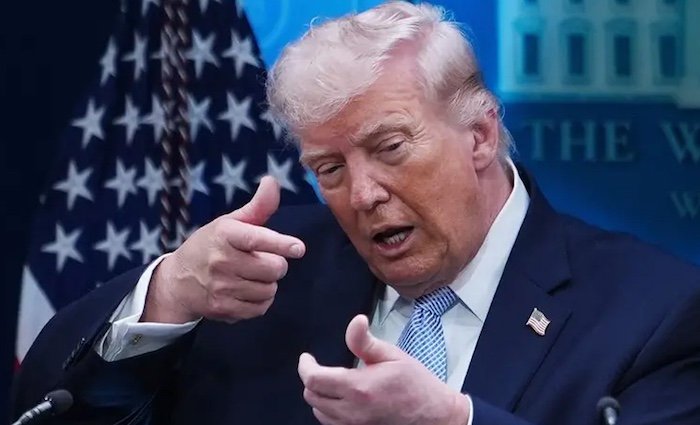
President Trump has reportedly signalled support for continuing the blockade, describing it as an effective tool to exert economic pressure on Iran. “The blockade is genius,” he told reporters, suggesting it could remain in place until Iran makes concessions.
The current standoff has significantly impacted global energy markets, particularly as the Strait of Hormuz—a vital corridor through which about 20 per cent of the world’s oil and liquefied natural gas passes—remains effectively restricted.
Analysts say the disruption has driven uncertainty among traders, pushing up prices and raising concerns about broader economic consequences. Rising crude costs have already translated into higher fuel prices in several countries.
In Nigeria, petrol prices have climbed sharply to around N1,400 per litre, up from approximately N800 before the conflict began earlier this year. Similar trends have been observed in other parts of the world, including the United Kingdom, where motorists are facing increased fuel costs.
Experts warn that sustained tensions could lead to further increases in energy prices, with ripple effects on transportation, food costs, and inflation globally. Airlines have begun adjusting fares, while rising fertiliser costs may also impact agricultural production and food prices.
Despite the military posturing, sources suggest the US administration still prefers a diplomatic resolution, although negotiations with Iran remain stalled.
Meanwhile, Iranian authorities have signalled their intention to assert control over the Strait of Hormuz, raising fears of further escalation in one of the world’s most strategically critical energy routes.
The situation continues to evolve, with global markets closely monitoring developments that could shape the trajectory of oil prices and economic stability in the coming weeks.