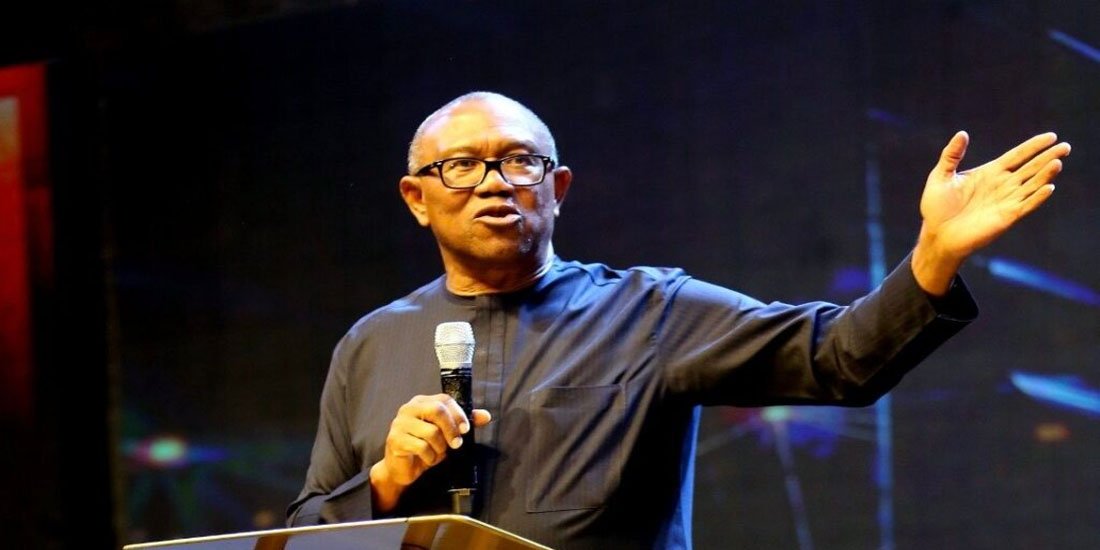
Peter Obi has criticized the federal government’s handling of fuel pricing and wider economic reforms, arguing that Nigerians need lasting relief rather than a temporary discount available at a limited number of filling stations. Obi, identified as the presidential candidate of the Nigeria Democratic Congress, has linked Nigeria’s cost of living crisis to the removal of petrol subsidy, the liberalization of the foreign exchange market and changes to the tax system under President Bola Tinubu. The former Anambra State governor said the combined effect of the policies had been felt in higher prices, weaker household purchasing power, business difficulties and unemployment.
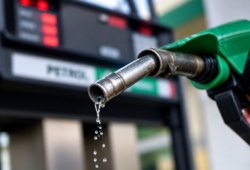
He argued that the government should assess the consequences of major reforms before implementing them and provide safeguards for vulnerable Nigerians. His immediate criticism focused on a proposed 30 day petrol price discount, which he described as too narrow in coverage to make a meaningful difference to consumers. Obi said the concession would be available at approximately 900 retail outlets operated by the Nigerian National Petroleum Company Limited, compared with an estimated 24,000 filling stations nationwide. Fewer than four per cent of stations would participate, he argued. He warned that motorists in communities without participating outlets might receive no benefit, while those near eligible stations could face queues and other inconveniences in pursuit of the reported N66 per litre reduction.
Obi questioned whether a short term intervention could materially address transport costs, food inflation and the broader pressure on families. He also asked the administration to explain the policy’s objectives, duration and intended beneficiaries rather than rely on what he characterized as a politically attractive announcement. He renewed his call for a transparent system of petroleum price support, including reconsideration of subsidy arrangements, while acknowledging the need for safeguards against corruption and waste. In his view, any intervention should be supported by clear rules, public accountability and investments in agriculture, education, healthcare and infrastructure. Obi said he would set out a fuller proposal for affordable and transparent fuel pricing. The government has defended its broader reforms as necessary to correct longstanding economic distortions.