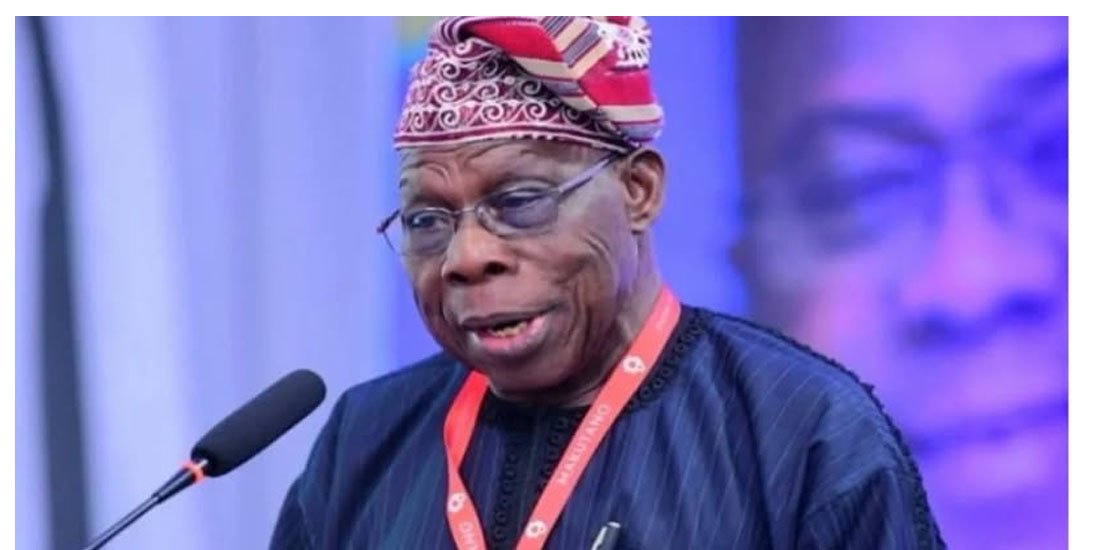
Former President Olusegun Obasanjo has questioned whether the Western liberal democratic model inherited by African countries adequately reflects the continent’s political and social realities.
He spoke at the Goodluck Jonathan Foundation Democracy Dialogue in Bauchi, where former leaders, political figures, jurists and scholars examined the future of democracy in Africa.
Obasanjo argued that democracy should ultimately deliver good governance, inclusion, security and improved living standards.
He questioned political systems in which electoral competition becomes winner takes all and opposition is treated as hostility.
Former President Goodluck Jonathan also called for debate on whether excessive concentration of executive power should be reduced.
Jonathan suggested that African countries could examine systems that distribute authority more widely, including aspects of parliamentary government and collective decision making.
Nigeria Democratic Congress presidential candidate Peter Obi criticised the condition of democratic institutions and expressed concern about the credibility of the judiciary and electoral process.
President of the Court of Appeal Monica Dongban Mensem, represented at the event, stressed that strong democracy depended on constitutionalism, the rule of law and credible institutions.
Kenyan scholar Karuti Kanyinga argued that many ruling and opposition parties had become difficult to distinguish because ideological differences were weak and campaign financing created dependence on private interests.
Labour Party National Chairman Nenadi Usman urged politicians to emulate the peaceful approach associated with Jonathan’s concession after the 2015 presidential election.
The conference centred on whether political parties and the judiciary could help strengthen African democracy beyond the conduct of elections alone.