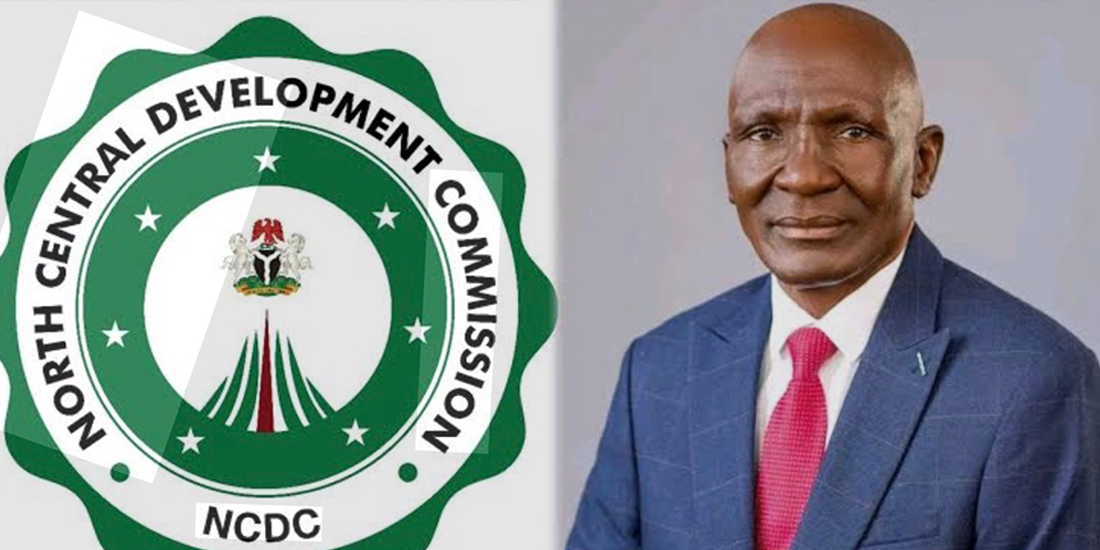
The North Central Development Commission has unveiled a 20-year development plan aimed at transforming the region into an integrated economic hub through coordinated investment in infrastructure, agriculture, mining, human capital, security and the digital economy.
The proposed North Central Development Plan 2027-2046 was presented at the commission’s Road Map and Stakeholders’ Development Summit in Abuja.
The plan covers Benue, Kogi, Kwara, Nasarawa, Niger and Plateau States, as well as the Federal Capital Territory.
The Commission said the roadmap was designed to replace fragmented projects with coordinated programmes capable of creating jobs, expanding productivity and attracting investment.
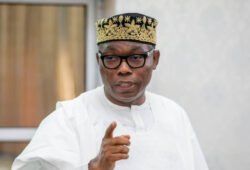
Nasarawa Governor Abdullahi Sule, who chairs the North Central Governors’ Forum, said the region needed to process more of its agricultural and mineral resources locally rather than export raw materials.
NCDC Managing Director Cyril Yiltsen Tsenyil said the development process would be evidence-led, inclusive and focused on implementation.
The plan calls for a regional economic database using geographic information systems to map farms, water resources, minerals, infrastructure gaps and investment opportunities.
It also proposes state-specific agricultural and livestock value chains covering mechanization, irrigation, storage, processing, packaging, logistics and exports.
The mining component includes measures to formalize artisanal mining and establish processing and manufacturing clusters.
On infrastructure, the plan proposes strategic roads, rail connections, inland waterways and logistics systems linking the six states and Abuja.
It identifies the Abuja-Lokoja corridor, Baro inland-port logistics, dry-port connections and modern freight systems among projects for consideration.
The roadmap also includes regional energy investment, improved water supply, irrigation and resilient urban and rural infrastructure.
Security is treated as economic infrastructure, with the Commission arguing that agriculture, trade and investment cannot thrive without safer communities and transport corridors.
The security component calls for stronger intelligence sharing, early-warning systems, inter-state cooperation and community engagement.
It also proposes lawful use of drones, satellite imagery and geospatial systems to support intelligence and emergency response.
The social-development component calls for better education, teacher deployment, technical training, healthcare access and social inclusion.
The digital strategy includes broadband expansion, AI and digital-skills centers, remote-work pathways and dedicated innovation financing.
The financing framework recommends different models depending on whether projects are commercially viable, economically beneficial but financially weak, or essential public services.
The Commission also plans to establish a Programme Management Office to coordinate project preparation, financing, implementation, risk management and performance reporting.
The long-term challenge will be converting the roadmap into projects with clear ownership, financing, timelines and measurable outcomes.