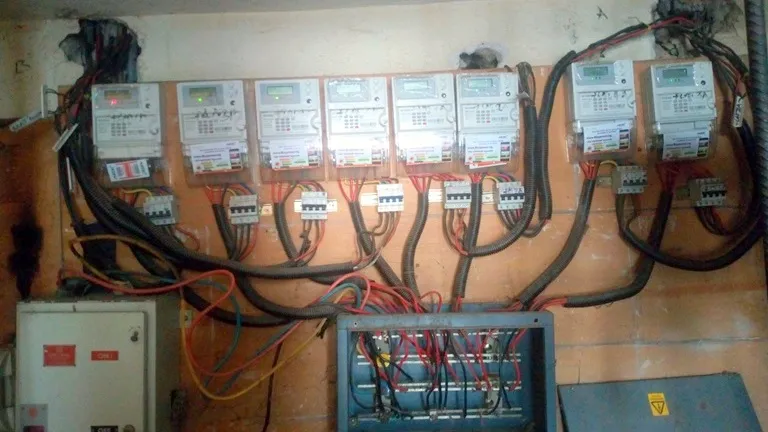
Indigenous electricity meter manufacturers have refused to withdraw a court injunction blocking the federal government’s Distribution Sector Recovery Program and are demanding legally binding guarantees for local participation before they agree to stand down, in a dispute that has placed the new Power Minister in the uncomfortable position of balancing urgent infrastructure delivery with a presidential policy commitment to prioritizing Nigerian industry.
The Association of Meter Manufacturers of Nigeria said it had invested billions of naira in factories, machinery, and technology transfer to position its members as genuine domestic suppliers, and that the international competitive bidding framework adopted for the DISREP ICB 2 program risked sidelining that investment in favor of foreign suppliers who, in some cases, operated without manufacturing facilities of their own.
AMMON demanded that at least 50 percent of the program’s meter volumes be allocated to qualified Nigerian manufacturers, or alternatively that mandatory completely-knocked-down or semi-knocked-down arrangements be imposed requiring foreign suppliers to partner with local assemblers rather than simply importing finished products. The association also demanded immediate execution of existing national competitive bidding contracts within 14 days and commencement of contracts under the Presidential Metering Initiative covering approximately 750,000 meters.
The association said trust was a central issue, citing earlier interventions in which local manufacturers had incurred substantial financial commitments during procurement processes only to face prolonged implementation delays that left them holding costs without the offsetting revenues they had anticipated. It said it could not accept future assurances without enforceable timelines and concrete legal commitments.
The dispute placed Minister of Power Joseph Tegbe between competing pressures, with international financiers operating under their own procurement standards and the president’s Nigeria First policy requiring demonstrable preference for local manufacturing.