United Capital Plc has secured investment banking licenses in Ethiopia and Rwanda, becoming the first foreign institution licensed to provide full-scale investment banking services in Ethiopia and marking the most significant step in the Nigerian financial services group’s pan-African expansion strategy.
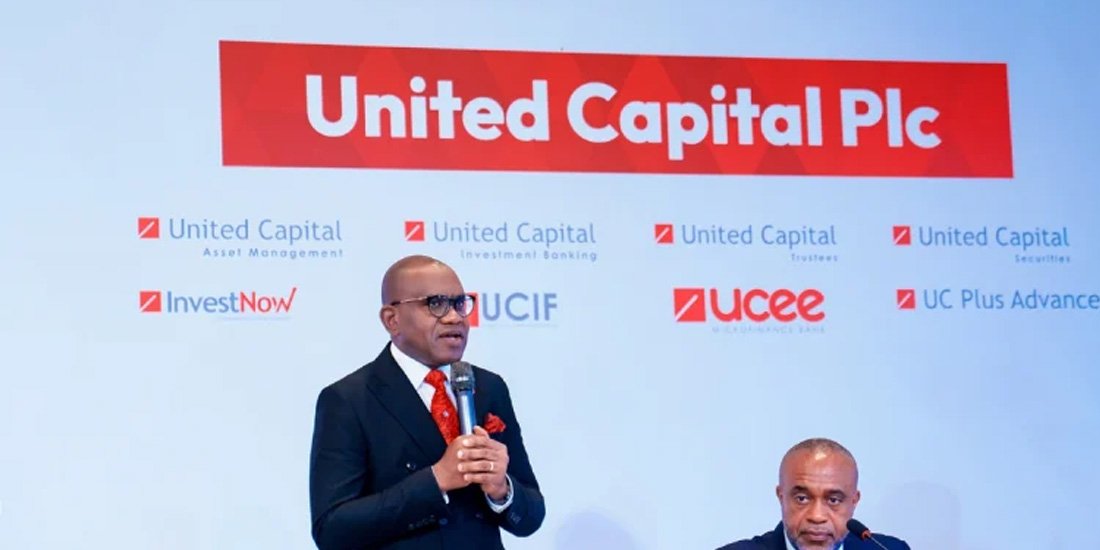
Group Chief Executive Officer Peter Ashade described the achievement as a statement about what Nigeria could export in terms of professional capacity and institutional credibility, saying the licensing process in Ethiopia had been demanding and that meeting its requirements across governance, financial stability, regulatory compliance, and track record was something the company was proud to have demonstrated at every level of scrutiny.
He said Ethiopia was one of Africa’s most significant growth markets by both population and economic momentum, with the country recording strong GDP growth between 2024 and 2025 and GDP growth forecast at approximately 7.1 percent, supported by a clear reform agenda that was opening the economy to new financial market participants. Investment forums in Ethiopia had drawn billions of dollars in commitments in energy, green infrastructure, manufacturing, and industrial development, making the timing of United Capital’s entry strategically meaningful.
On Rwanda, Ashade described the country as an emerging regional hub for innovation and financial services, recording consistent GDP growth in the range of 5.2 to 5.5 percent over the preceding two years and continuing to attract investor confidence through policy stability and a deliberate strategy of financial market development. One of United Capital’s Rwanda licenses was a trust license issued by the central bank, requiring direct engagement with national monetary authorities at the highest level.
Ashade said the licenses would allow the group to operate across financial advisory, securities brokerage, and portfolio management in both markets, and that the expansion was part of a broader shift in how African institutions related to each other, away from dependence on external capital flows toward genuine intra-African investment and financial integration driven by the African Continental Free Trade Area. He said United Capital intended to execute on the opportunity with the same discipline it had applied in Nigeria, where it had maintained a consistent record of dividend payment and value delivery to shareholders.
He credited Ethiopian and Rwandan regulators, Nigerian SEC, Nigerian Exchange Limited, and the respective capital market authorities in both new markets for the collaborative regulatory engagement that made the multi-jurisdictional licensing process achievable.