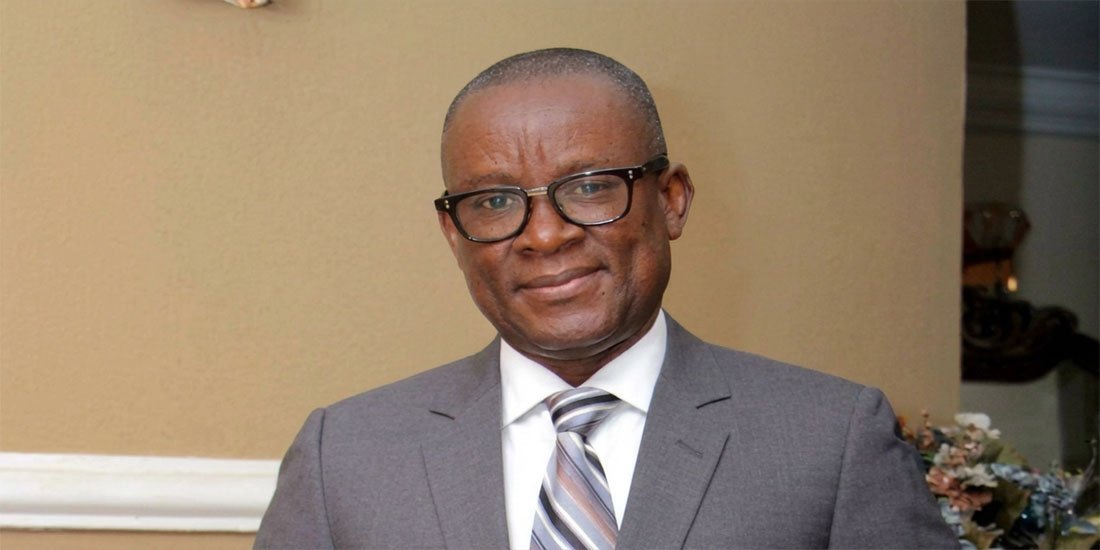
The Federal Government has introduced a new programme to address the mismatch between Nigeria’s substantial demand for wheat products and the limited supply of locally produced grain available to industrial processors.
Minister of State for Industry John Owan Enoh launched Project WHEAT-NESS in Abuja, describing a sector in which domestic mills operate at roughly 50 per cent of capacity despite national wheat consumption of approximately six million metric tonnes annually. He said production costs, supply reliability and weak coordination across the value chain were preventing existing industrial assets from being used effectively.
The initiative will bring together wheat growers, millers, bakeries, food manufacturers, financial institutions and government agencies. Its scope extends from farming and processing to distribution, consumer markets and the policy environment affecting the industry.
According to Enoh, Nigerian producers face pressure from international grain prices, electricity and other energy expenses, transportation costs and difficulty sourcing domestic wheat of consistent quality. The resulting burden affects producers of bread, pasta, noodles, biscuits and other widely consumed foods.
He cited technical assessments identifying between two million and 3.5 million hectares with potential for irrigated wheat farming. With improved seeds, better planting schedules, appropriate crop nutrition and more efficient water management, he said, yields could potentially double. However, additional harvests would be commercially useful only if farmers could supply grain at the standards, prices and delivery schedules required by processors.
Project WHEAT-NESS is therefore intended to create closer working relationships between agricultural producers and industrial buyers. The government also wants manufacturers to make fuller use of installed capacity, allowing fixed costs to be spread across larger volumes and potentially improving competitiveness.
Financing is another focus. Enoh called for credit products suited to different participants, including seasonal working capital for farmers, appropriate facilities for industrial processors and accessible financing for small enterprises. A single financing model, he suggested, would not meet the needs of an industry with very different production cycles and business sizes.
The minister said the Ministry of Industry, Trade and Investment would focus on industrial costs, investment conditions, enterprise performance and market efficiency, while coordinating with the Ministry of Agriculture and Food Security on domestic wheat production. Private operators will be expected to supply evidence about operational barriers and workable solutions.
Government, business and financial institutions are expected to hold further working sessions to establish priorities, responsibilities and measurable milestones. Enoh said the ultimate assessment would be whether the initiative creates jobs, strengthens companies, raises industrial utilization and helps make wheat-based foods more affordable. The launch itself, he acknowledged, is not a substitute for verifiable results.