Nigeria is poised to significantly expand its global diplomatic presence, with the federal government confirming that it has secured formal acceptance from over 25 countries for newly cleared ambassadors, with deployment expected to begin immediately after an induction programme scheduled for late April.
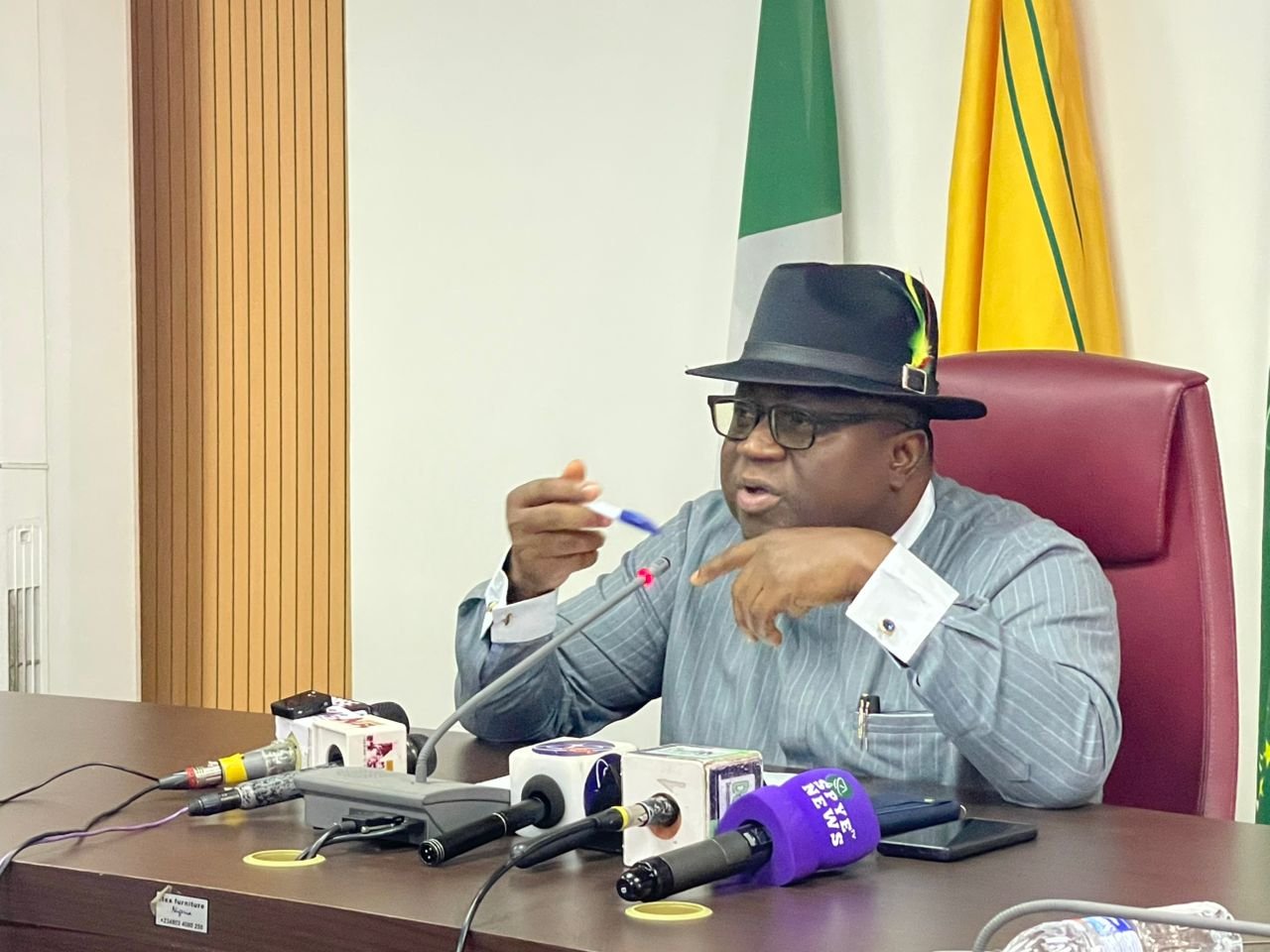
Ministry of Foreign Affairs spokesperson Kimiebi Ebienfa disclosed at a briefing in Abuja that the government had received the necessary diplomatic clearances from host countries and that a strategic orientation programme for the envoys had been fixed for April 26 to 29, 2026. The induction, he said, would go well beyond ceremonial briefings, covering bilateral engagement strategies, economic diplomacy, host country protocol, and alignment with Nigeria’s foreign policy priorities under President Tinubu. Spouses of the envoys would also participate in aspects of the programme.
Ebienfa described the deployment as a decisive step in revitalising Nigeria’s diplomatic architecture and repositioning the country more assertively on the global stage at a time of shifting geopolitical and economic realities. He noted that where any ambassador-designate was not accepted by an intended host country, reassignment to an alternative posting remained an option.
In a separate but related development, the ministry declared war on what it described as a disturbing and growing trend of individuals fraudulently adopting or conferring ambassadorial titles, warning that such conduct constituted a criminal offence and exposed Nigeria to serious reputational risk internationally.
Ebienfa stressed that only President Tinubu possessed the constitutional authority to appoint and accredit ambassadors, making any other conferment of the title legally meaningless and potentially prosecutable. He listed common violations including the unauthorised use of titles such as “Ambassador” and “Diplomatic Envoy,” the issuance of fake diplomatic passports and identity cards, and the use of counterfeit vehicle plates bearing official diplomatic insignia.
The ministry drew a clear distinction between genuine ambassadors and brand ambassadors appointed for commercial or promotional purposes, emphasising that the latter category carried no diplomatic status whatsoever and was not entitled to use the title “Ambassador” in a diplomatic sense.
To enforce the crackdown, the ministry confirmed it was working with the Nigerian Immigration Service and the Federal Road Safety Corps to identify, arrest, and prosecute offenders, and to intercept counterfeit diplomatic documents and unauthorised number plates.
“The federal government will continue to take firm actions against individuals or groups whose activities bring Nigeria into disrepute. The integrity of our diplomatic system is non-negotiable,” Ebienfa said.