The federal government has announced a dramatic reduction in Nigeria’s malaria prevalence from 42 percent in 2010 to 15 percent in 2025, representing one of the most significant public health achievements in the country’s recent history, as it simultaneously launched an ambitious five-year National Malaria Strategic Plan covering 2026 to 2030 with a target of cutting prevalence and mortality by a further 50 percent within the decade.
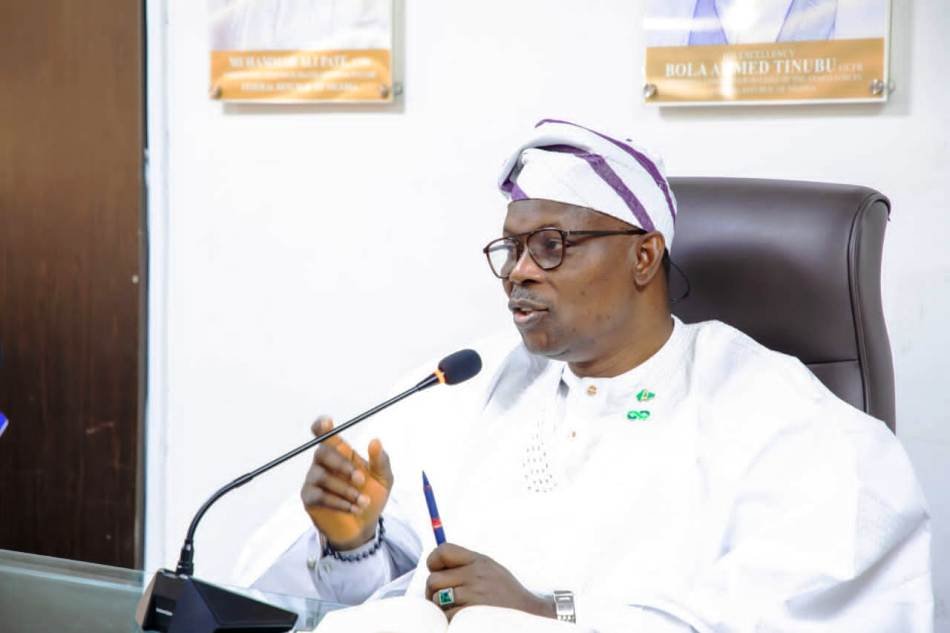
Minister of State for Health and Social Welfare, Dr. Iziaq Adekunle Salako, made the disclosure at the commemoration of World Malaria Day 2026 in Abuja, describing the progress as evidence that sustained investment in prevention and treatment was producing measurable and life-saving results, while emphasising that elimination remained an ongoing national mission requiring continued commitment at every level.
He explained that the new strategic plan was developed in collaboration with state governments and designed to reflect the specific epidemiological realities of different communities across the country. The plan aligns with the National Health Sector Strategic Blueprint, the Sector-Wide Approach, and the World Health Organization Global Technical Strategy.
Key interventions outlined under the plan were substantial in scale. Over 500 million insecticide-treated nets had been distributed since 2015, with plans to expand access to 11 additional states including Akwa Ibom, Kebbi, Borno, Bauchi, Nasarawa, Abia, the Federal Capital Territory, Kogi, Osun, Kwara, and Adamawa.
Seasonal Malaria Chemoprevention would be implemented across 21 eligible states targeting approximately 29 million children under the age of five, which Salako described as one of the largest child-focused malaria prevention efforts on the African continent. A pilot Larval Source Management programme was also underway in six states covering Abia, Borno, Ekiti, Lagos, Ondo, and Rivers, targeting mosquito breeding sites through evidence-based environmental interventions.
The phased rollout of the malaria vaccine, which began in Kebbi and Bayelsa states in December 2024, had been extended to Bauchi and Ondo states, with over 700,000 children aged five to 23 months already benefiting from the preventive intervention.
The World Health Organization Country Representative, Parvel Ursa, described malaria elimination as achievable with sustained investment, innovation, and leadership, while the ministry’s Permanent Secretary described malaria as a burden that not only claimed lives but stifled economic productivity and drove up healthcare costs across the country.