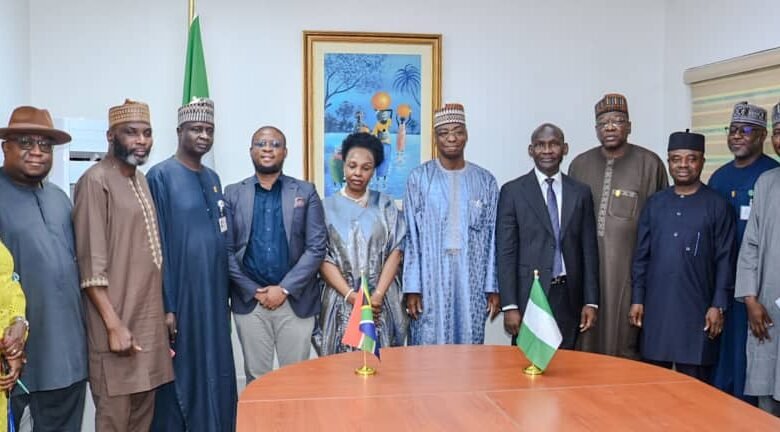
Nigeria has significantly stepped up its diplomatic engagement with South Africa over renewed anti-foreigner demonstrations and the deaths of two Nigerian nationals in separate incidents allegedly involving South African security personnel, pressing Pretoria for concrete protective measures and activating a newly agreed bilateral early warning mechanism designed to prevent future crises from escalating.
Following the summoning of South Africa’s Acting High Commissioner to the Ministry of Foreign Affairs in Abuja, Ministry Spokesperson Kimiebi Ebienfa told journalists that Nigeria had conveyed its profound concern not only about the protests calling for the removal of foreign nationals but also about what he described as deeply troubling incidents involving Nigerian citizens in April.
He said one Nigerian reportedly died in detention while another succumbed to injuries sustained in an assault, describing both cases as matters of serious concern to the Nigerian government that demanded full investigation and regular diplomatic updates from South African authorities.
“These are matters of serious concern to the Nigerian government because they directly affect the safety and confidence of our citizens living abroad,” Ebienfa stated, adding that Nigeria was monitoring the situation through its missions in Pretoria and Johannesburg and that the imagery and rhetoric circulating from the protests did not reflect the historical relationship between the two countries.
At the heart of Nigeria’s diplomatic push was the activation of a newly agreed early warning framework between both countries, which officials described as a critical tool for enabling faster communication and coordinated intervention whenever social or security tensions began to build. “Rather than waiting for situations to deteriorate, this framework allows both governments to engage early, share intelligence, and manage issues before they escalate,” Ebienfa explained.
He was emphatic that Nigeria expected visible action rather than public assurances. “Statements are important, but what is more important is what follows — investigations, accountability, and preventive action,” he said, adding that Nigeria was also pressing South African authorities to rein in groups promoting inflammatory anti-foreigner rhetoric capable of triggering violence.
The acting high commissioner assured Nigerian officials that South Africa remained opposed to unlawful attacks or intimidation against foreigners and pledged to relay Abuja’s concerns to Pretoria. The Nigerian government said it was assessing the situation and reviewing options for affected nationals, with over 100 Nigerians reportedly expressing willingness to return home voluntarily if conditions deteriorated further.