NDLEA reports 38,242 arrests and more than 5.8 million kilograms of seizures over 21 months, while urging greater emphasis on treatment and livelihoods.
Nigeria has urged the international community to strengthen intelligence exchange, financial investigations and support for drug-control institutions as trafficking networks become more technologically sophisticated and increasingly operate across borders.
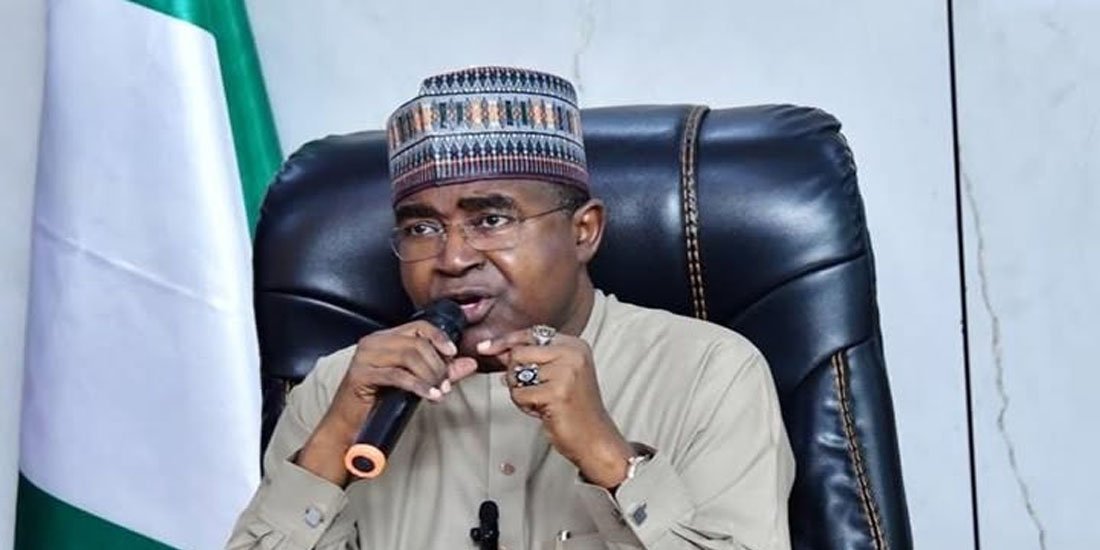
The appeal was presented at the 81st United Nations General Assembly by the National Drug Law Enforcement Agency. Chairman Buba Marwa’s statement was delivered by agency secretary Shadrach Haruna.
According to the NDLEA, its approach now combines enforcement with treatment, prevention, financial intelligence, digital systems and programmes offering alternatives to illicit cultivation. The agency said traditional seizure-and-arrest measures alone could not dismantle the economic networks that sustain the drug trade.
For January 2025 to September 2026, the NDLEA reported 38,242 arrests, more than 5.8 million kilograms of illicit drugs seized, an estimated seizure value exceeding N2.5 trillion and 6,232 convictions. It also said 16,303 people had received counseling, treatment or rehabilitation during the period. The figures were supplied by the agency and have not been independently verified for this report.
Marwa cited an alternative-development pilot in three Ondo State communities, intended to help residents move from illicit cannabis cultivation towards legitimate agricultural livelihoods. He also referred to digital administrative initiatives, including the Drug Integrity Test and Visa E-Administration System.
The agency said its National Drug Control Master Plan for 2026–2030 covers supply reduction, demand reduction, access to controlled medicines, institutional coordination, alternative development and disruption of illicit drug finances.
Nigeria called for more timely cross-border intelligence, stronger asset tracing and recovery, better prevention and rehabilitation services, and technical assistance to agencies in developing countries.
The central argument of the Nigerian presentation was that durable progress requires tackling the profits and vulnerabilities behind drug trafficking, not merely increasing the number of people arrested or consignments intercepted.