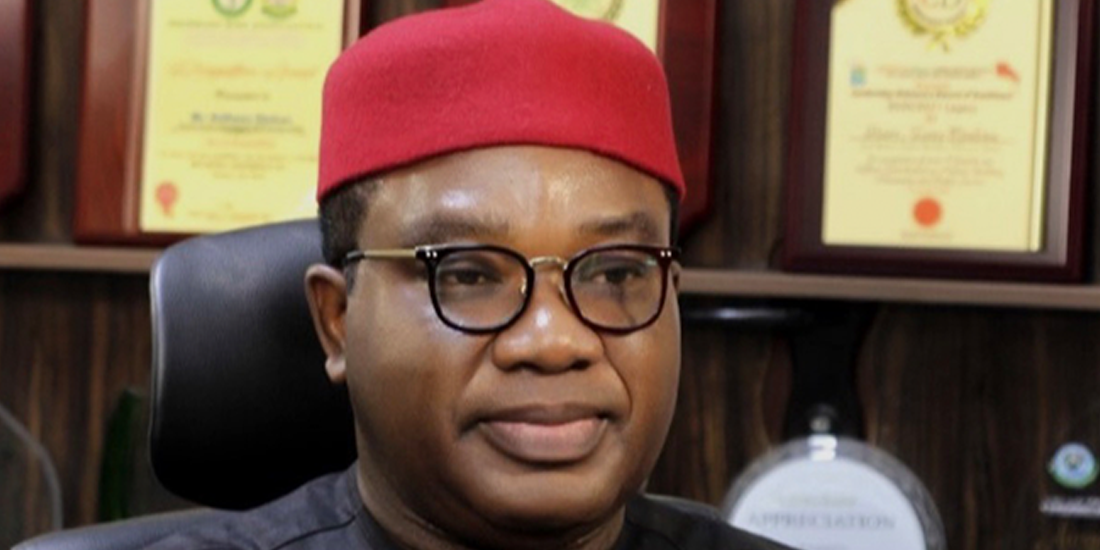
The National Human Rights Commission has warned that many older Nigerians are entering later life without adequate protection from poverty, poor healthcare, delayed pensions, discrimination, abuse, abandonment and loss of property.
Executive Secretary of the commission, Dr Tony Ojukwu, said Nigeria must rethink its institutions and social protection systems as people live longer. He spoke in Abuja at the commission’s commemoration of the 2026 International Day of Older Persons, held under the theme, The Age of Longevity: Rethinking Systems for Longer Lives.
Ojukwu said longer life expectancy should be treated as social progress, but warned that additional years had little value if they were marked by ill health, insecurity, exclusion and deprivation. He said public policy should focus not only on how long people live but on whether they can age with dignity, independence and meaningful participation in society.
He stressed that older persons remained rights holders and active members of society, including as professionals, farmers, entrepreneurs, caregivers, community leaders and custodians of experience. Aging, he said, did not remove constitutional or human rights protections.
Ojukwu identified dignity, equality, healthcare, social security, adequate living standards, family life, property, participation, access to justice and protection from violence and exploitation among the rights that must remain available to older persons.
He said Nigeria already had a legal and policy foundation through the Constitution, the National Human Rights Commission Act, the National Senior Citizens Centre Act and the National Policy on Aging, alongside regional and international human rights instruments.
The NHRC chief said vulnerability varied widely among older people. He identified widows, persons with disabilities, rural residents, people living alone and elderly Nigerians affected by displacement or humanitarian emergencies as groups that could face additional barriers.
He also urged families and institutions to listen directly to older people rather than making major decisions on their behalf without consultation. According to him, respect for autonomy is an important part of protecting dignity in later life.
Ojukwu said the commission had trained desk officers on issues affecting older persons across its state offices and was strengthening advocacy, public education, complaint investigation and engagement on elder abuse.
President of Civil Society for the Rights of Older Persons in Nigeria, Senator Eze Ajoku, called for stronger healthcare, pensions, housing, transportation, caregiver support and age friendly communities. He said Nigeria must move beyond ceremonial recognition and turn aging policies into practical protection.