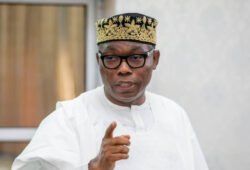
The National Human Rights Commission has called on legislative institutions to make Human Rights Impact Assessment a standard part of the lawmaking process.
NHRC Executive Secretary Tony Ojukwu said legislation passed without proper scrutiny, consultation and rights analysis could unintentionally undermine fundamental freedoms.
He made the recommendation at a training programme for lawmakers and civil society stakeholders in Port Harcourt.
Ojukwu said the quality of a democracy depended not simply on the number of laws enacted but on whether those laws were inclusive, evidence based and consistent with constitutional and international rights standards.
He said legislation could expand opportunities or restrict them.
Laws can directly affect access to justice, education, healthcare, security, housing, livelihoods and political participation.
The NHRC urged lawmakers to use public hearings as genuine consultation rather than procedural formalities.
Ojukwu said committees should consider evidence from citizens, professional bodies, experts, civil society organizations and affected communities.
He argued that Human Rights Impact Assessment could identify risks before a bill became law.
Particular attention should be paid to how legislation affects women, children, people with disabilities, older persons and displaced communities.
The commission said HRIA should not be treated as another bureaucratic burden.
Rather, it should be used as a practical decision making tool to improve legitimacy and reduce unintended consequences.
Human rights specialist Okwa Morpy also said the process could help prevent laws that conflicted with constitutional or international obligations.
She urged closer cooperation among legislators, civil society and non governmental organizations.
Participants from the Rivers State House of Assembly and civil society organizations said they would apply lessons from the training.
The NHRC said the ultimate test of legislation should be whether it protected dignity, expanded rights and served the wider public rather than narrow interests.